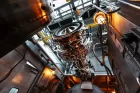

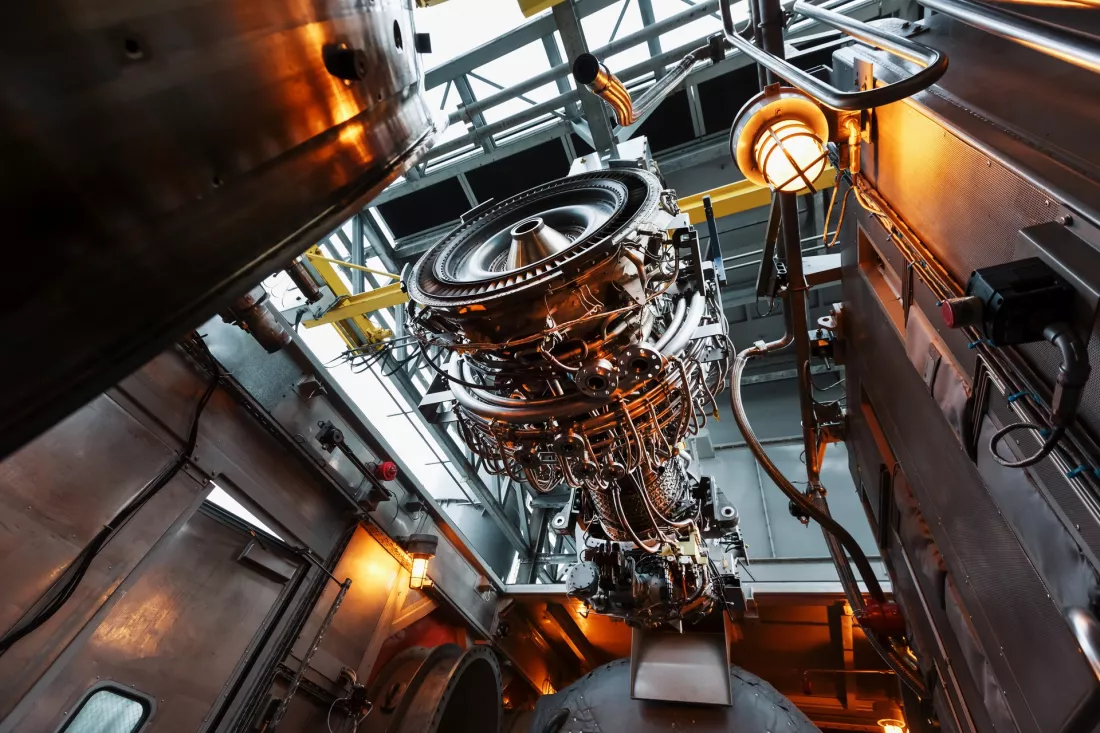
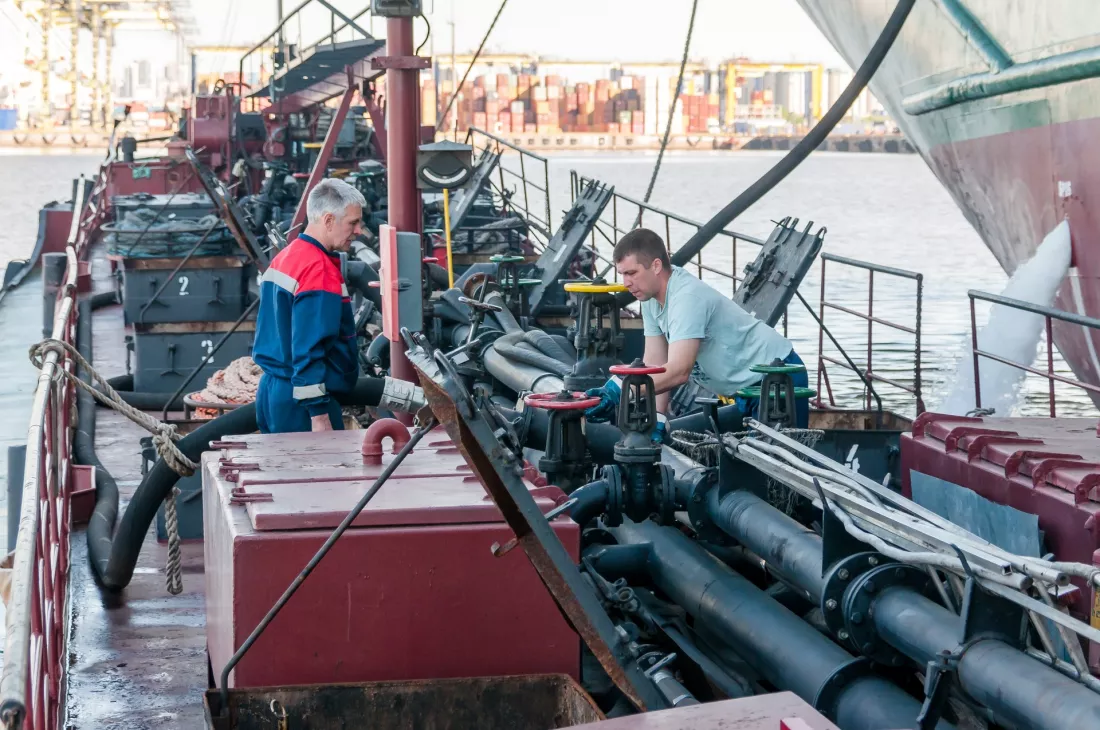
Machines do not run themselves. Behind every merchant ship, port crane and offshore installation stands an engineer who knows how it was built, how it is operated and why it fails. Gdynia Maritime University teaches mechanics and machine construction as a first-cycle engineering degree, with a practical sea-going specialisation taught in English for students aiming at a career in the maritime economy and in industry worldwide.
Mechanics and machine construction at Gdynia Maritime University is a first-cycle programme that ends with the title of engineer. Students learn how machines and technical devices are designed, manufactured and kept running: sea-going ships, ocean engineering structures, port and shipyard equipment, industrial installations. Modern methods, technologies and computational tools are part of the everyday toolkit rather than an optional extra.
The Faculty of Mechanical Engineering runs the degree in Polish and in English. The English-taught path is the practical, maritime specialisation Ship Propulsion Plant and Offshore Construction Operation, where classes are held in English. For international candidates that means a maritime engineering education delivered in the language merchant shipping actually works in, at a university sitting directly on the Baltic coast in Gdynia.
The choice of specialisation decides whether a graduate spends the working day in an engine room at sea or in a plant on shore:
The curriculum covers manufacturing processes, assembly and operation of machines, computer-aided design work and the selection of engineering materials. Particular weight goes to technical diagnostics: reading the condition of a technical object and drawing operational conclusions from it.
Among the subjects listed for the programme are the operation of power plants with piston engines, technical diagnostics, programming of machine tools, production organisation and management, automation and robotics, and machine assembly technology.
The programme is built around an unusually large share of hands-on classes: workshops, laboratory exercises and work on simulators. The point is simple. An engineer who has already opened a machine, measured it and put it back together is a different candidate on the job market from one who has only read about it.
Students on the shore specialisations complete placements twice during their studies: first workshop practice, then industrial practice, together at least two months. Students on the maritime specialisations go to sea twice as well. The first placement, of at least two months, takes place on the training ships Dar Młodzieży or Horyzont II; the second is a full semester of operational practice on merchant vessels of shipowners from the global fleet. The faculty cooperates with several dozen companies in the sector and helps students arrange the placements the programme requires.
The degree diploma, combined with the required sea service, allows graduates to obtain the diploma of a marine engineer officer: the studies meet the requirements of the international STCW 78/95 convention of the International Maritime Organization. In practice that opens the position of watchkeeping officer in a ship engine department.
At sea, graduates work as engineer officers, or as engineers responsible for power plants on drilling platforms. On shore, they join companies that operate and supervise industrial and municipal installations, or move into production management, including the introduction of innovations and the management of costs and staff.
The maritime economy adds its own set of employers: mechanical engineering positions in repair and production shipyards, in seaports and in companies serving them. Graduates leave with technical, managerial and interpersonal competences, which is what makes the shore route realistic rather than theoretical.
The programme is addressed to candidates with technical interests and analytical minds, who enjoy designing and carrying out engineering tasks. Anyone considering the maritime path should also know that students admitted to first-cycle studies at the Faculty of Mechanical Engineering are required to supply a medical certificate issued by an occupational medicine doctor, confirming fitness to study and to take part in industrial placements. Detailed qualification rules and fees are worth checking in the university recruitment service, because they differ between intakes.
Mechanics and machine construction at UMG is an engineering degree lasting seven semesters in the general academic profile and eight semesters in the practical one, available in full-time and part-time mode. It combines classic mechanical engineering with the maritime specifics of Gdynia: engine rooms, shipyards, ports and offshore structures. The English-taught specialisation keeps the sea-going route open to international students, and compliance with the STCW convention turns the diploma into a concrete professional qualification.


 EN
EN 
 CS
CS DE
DE ES
ES FR
FR HU
HU IT
IT PL
PL PT
PT РУ
РУ SK
SK TR
TR УК
УК AR
AR 中文
中文