At Jan Długosz University in Częstochowa, the first-cycle engineering programme Innovative Technologies and Advanced Materials is taught in English. It combines mathematics, physics and chemistry with engineering graphics, mechatronics and CAD, and later lets students choose between virtual prototyping and sustainable energy technologies. The studies are full-time, have a practical profile and last three and a half years — and at the end you can check whether this path suits you.
Innovative Technologies and Advanced Materials is a first-cycle engineering programme run by the Faculty of Exact, Natural and Technical Sciences at Jan Długosz University in Częstochowa (UJD). Classes are held in English, the studies are full-time and the programme has a practical profile. It takes three and a half years to complete, which is typical of engineering degrees in Poland, where the extra semester reflects the technical character of the training.
The idea behind the programme is fairly simple: give students a solid scientific base, add engineering skills on top of it and show how new materials and technologies actually make their way into industry.
The early part of the studies focuses on the fundamentals. According to the university, the programme involves “acquiring knowledge in fundamental disciplines such as mathematics, physics and chemistry”. These subjects are not there for their own sake — they are the language in which engineers later describe materials, devices and processes.
The engineering education builds on that foundation. Among the areas listed by the university are:
Alongside these, students gain practical knowledge on the implementation of material innovations in industry, which fits the practical profile of the programme.
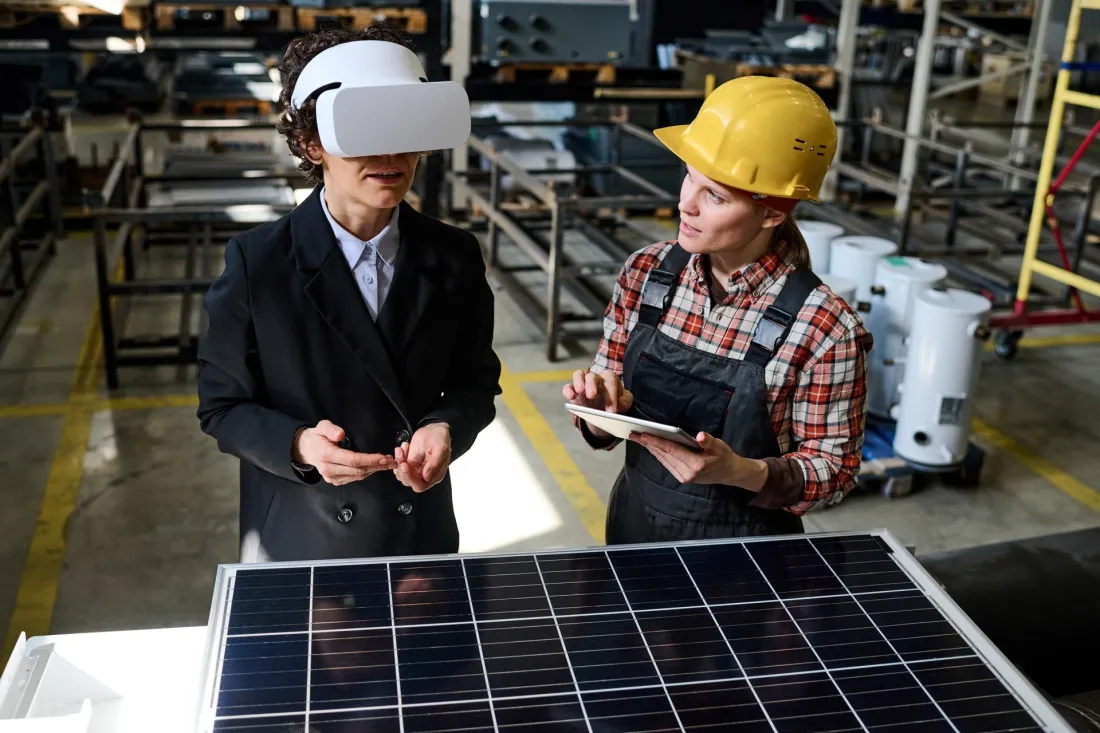
The first specialisation is meant to familiarise students with techniques that improve the way products are developed and brought to production. Instead of building a series of physical prototypes, engineers create a design on screen and check it there. Students work with:
In practice, this means building virtual 3D models and simulating how they behave under real operating conditions. Thanks to this approach, engineers can quickly compare the quality and efficiency of several alternative designs. The final stage of the process is manufacturing itself — on numerically controlled (CNC) machine tools or as a 3D print.
The second specialisation deals with the design, analysis and implementation of energy technologies that support sustainable development. Its core topics are energy efficiency, renewable energy sources and modern methods of energy management.
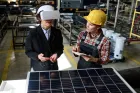
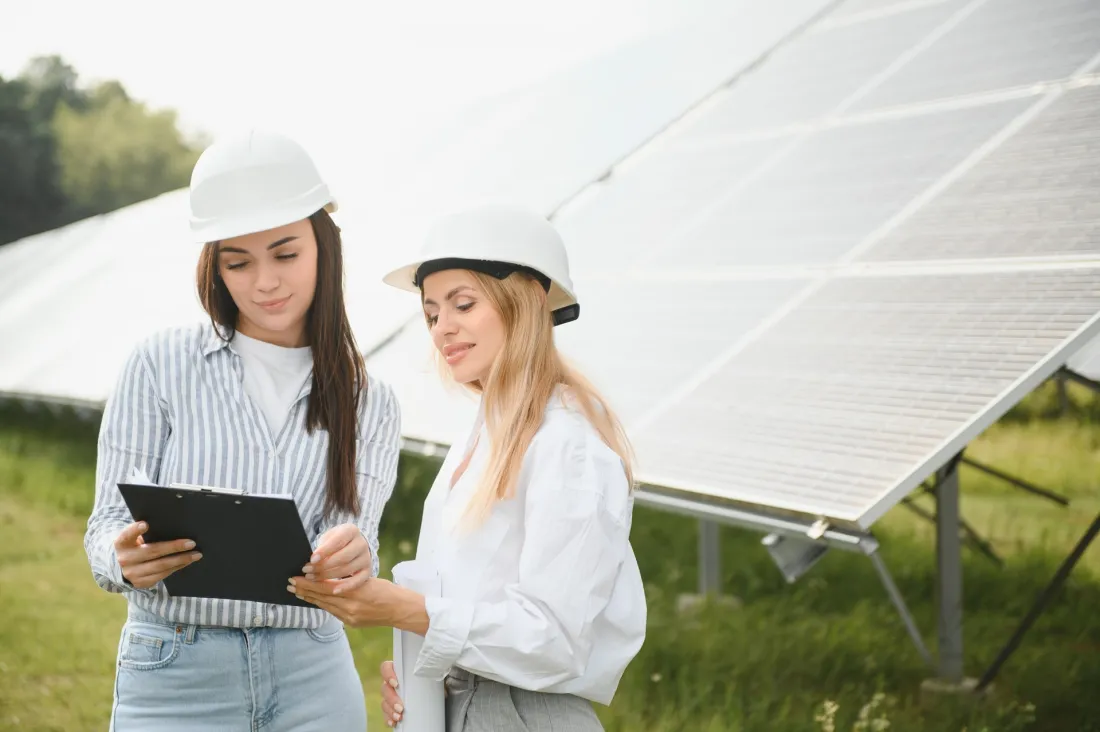
Students learn to conduct energy audits, analyse materials in terms of their sustainability and design hybrid energy systems. The programme also covers the design of photovoltaic and solar thermal systems and includes an introduction to nuclear energy technologies, so students see a broad picture of how energy can be produced and used.
The university addresses the programme to people interested in innovative technologies and materials. It is aimed at those who want to understand how modern devices and systems work and, in the future, contribute to their development. Curiosity about how things are built, how they behave and how they could be improved seems to be the natural starting point here.
Current admission rules and fees are worth checking on the university’s admissions website, as they vary between intakes.
Graduates of Virtual Prototyping can work in companies and departments involved in product design and implementation. They are also prepared to plan machining processes using advanced numerically controlled machines.
Graduates of Sustainable Energy Technologies have a wider list of roles described by the university, including:
Those who want to deepen their knowledge can continue their education in second-cycle studies.
Innovative Technologies and Advanced Materials at UJD is a three-and-a-half-year, full-time engineering programme in English with a practical profile. It starts with mathematics, physics and chemistry, moves on to engineering graphics, mechatronics, machine design and CAD, and then branches into two specialisations: Virtual Prototyping, focused on designing and testing products digitally before manufacturing, and Sustainable Energy Technologies, focused on energy efficiency, renewables and energy systems. It is a programme for people who like to understand how technology works and want to take part in developing it.
10 questions · two minutes



 EN

 CS
 DE
 ES
 FR
 HU
 IT
 PL
 PT
 РУ
 SK
 TR
 УК
 AR
 中文