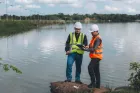

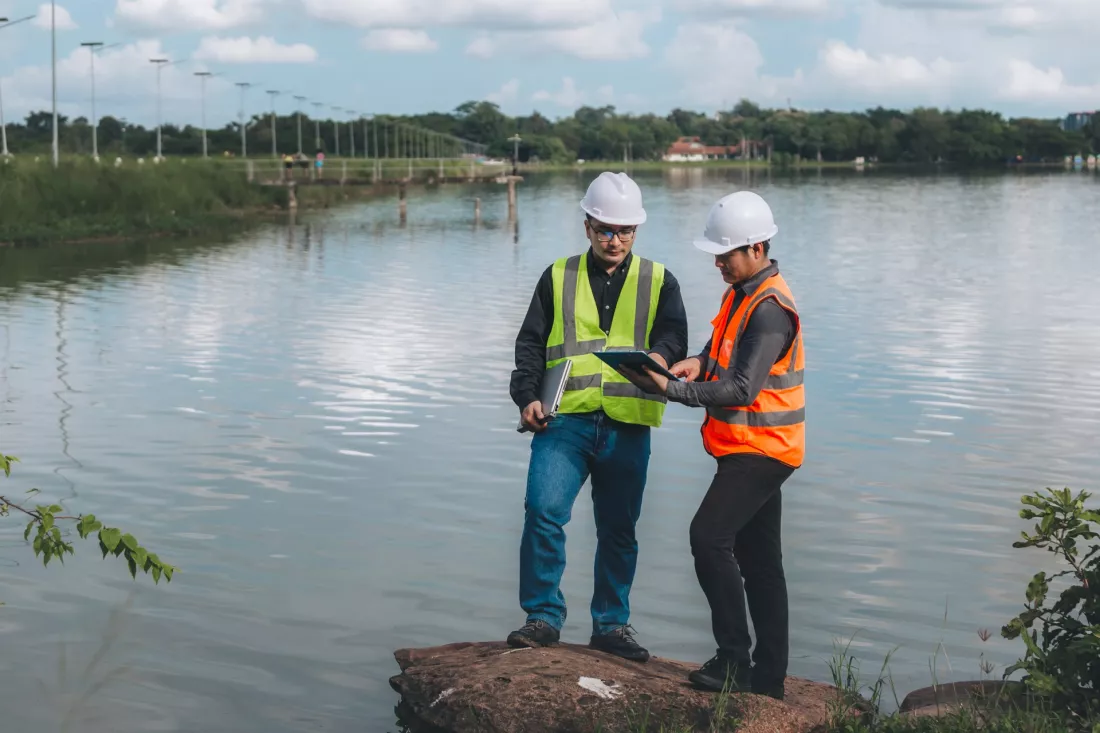
Every city needs safe drinking water, a way to treat wastewater, clean air and a plan for its rubbish. Behind all of this stand environmental engineers. The University of Warmia and Mazury in Olsztyn teaches this profession in English on a seven-semester bachelor programme at its Faculty of Geoengineering, with a strong focus on sustainable development and bioenergy — and at the end you can check whether environmental engineering is the right path for you.
Environmental engineering is about solving very practical problems. How do you supply a town with clean water? What happens to sewage after it leaves our homes? How can waste be turned into energy instead of ending up in a landfill? Environmental engineers design, operate and evaluate the systems that answer these questions.
The programme at the University of Warmia and Mazury (UWM) in Olsztyn focuses on what the university calls the most pressing challenges in environmental engineering and sustainable development.
Environmental Engineering at UWM is a first-cycle bachelor programme taught entirely in English at the Faculty of Geoengineering. It lasts seven semesters, which is three and a half years. Students complete practical training and write an engineering thesis at the end of their studies.
The first part of the programme builds a solid base in science. Students take courses such as:
Microbiology plays a special role here. The programme pays particular attention to bioenergy production and the microbiological foundations of biotechnological processes, which are at the heart of modern wastewater treatment and biogas plants.
On top of the sciences, students learn the engineering basics: fluid mechanics, hydraulics, geotechnical engineering and programming. These subjects give future engineers the tools to calculate, model and design real installations.
The specialised part of the programme covers the key areas of the profession:
Students also learn how to assess and manage environmental impact, with courses in environmental monitoring, life cycle assessment, environmental management and the legal framework of environmental protection.
Electives in languages, social sciences and academic writing complete the curriculum.
According to the university, graduates are able to operate and evaluate systems for water supply and wastewater disposal, sewage sludge treatment, solid waste handling and air purification technologies. In other words, they understand the whole chain of processes that keep a modern city clean and liveable.
Environmental engineers are needed in many places. The university lists employment opportunities in:
The programme suits students who enjoy science, especially biology and chemistry, but want to use it in a practical way. It is a good choice for people who care about the environment and would like to do something concrete for it, not just talk about it. Studying in English also makes it a natural option for international students and for anyone planning a career abroad.
Current admission requirements and fees are best checked on the university website, as they may change between intakes.
Environmental Engineering at UWM in Olsztyn is a seven-semester bachelor programme taught in English. It combines science, engineering tools and specialised courses on water, wastewater, air, waste and biogas, with practical training and an engineering thesis. Graduates find work in utility services, construction and industry, public administration and environmental protection bodies.
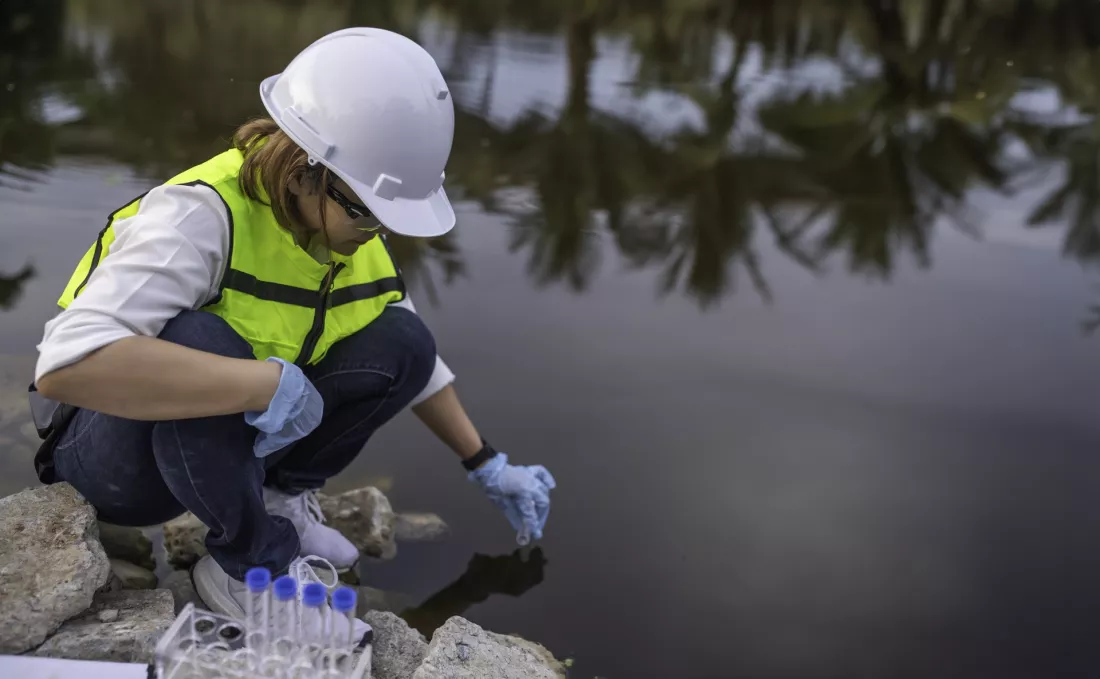
10 questions · two minutes


 EN
EN 
 CS
CS DE
DE ES
ES FR
FR HU
HU IT
IT PL
PL PT
PT РУ
РУ SK
SK TR
TR УК
УК AR
AR 中文
中文