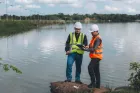


Fruit orchards in Poland, vineyards in Moravia and greenhouses in Slovakia: few master’s programmes let students see a whole industry from three different angles. The International Master of Horticultural Science at the University of Agriculture in Krakow is a joint programme taught in English, run with partner universities in Brno and Nitra, with each semester spent in a different place — and at the end you can check whether it suits your interests.
The International Master of Horticultural Science (IMHS) is a joint international study programme. It is run by the Faculty of Biotechnology and Horticulture at the University of Agriculture in Krakow together with Mendel University in Brno (Faculty of Horticulture) and the Slovak University of Agriculture in Nitra (Faculty of Horticulture and Landscape Engineering).
The programme is taught entirely in English and focuses on preparing students for work in management, trade and services, as well as in government services at European level.
The most distinctive feature of IMHS is its structure. The programme lasts four semesters:
Students choose from a pool of subjects offered by the partner universities, although some courses are compulsory. Thanks to study stays in different countries, graduates gain a good orientation in the European horticultural industry.
The Krakow semester covers biostatistics, integrated protection of horticultural crops, plant molecular genetics and genomics, polymers in horticulture, principles of plant cell and tissue cultures, social insect ecology and soilless cultivation systems.
In Lednice the focus shifts to production. Courses include applied plant biotechnology, stone fruit production, sophisticated vegetable production, winemaking methods, fruit storage, the technology of fruit distillates and horticulture machinery.
The semester in Nitra covers horticulture dendrology, integrated systems of fruit production, post-harvest technology of horticultural crops, pruning and training of fruit trees, special fruit growing, grape and wine evaluation, quality management systems in horticulture and vegetable seed production.
Throughout the programme, strong emphasis is placed on current problems of modern horticulture: vegetable production, pomiculture, viticulture, greenhouse production, plant biotechnologies, storage of horticultural products and their quality. Optional subjects allow students to broaden their knowledge of other areas of horticultural production.
The central point of the programme is the diploma thesis, in which each student specialises in and investigates a chosen part of the horticultural industry.
After successfully defending the thesis and passing the final state examination, graduates receive the academic degree “Engineer” (MSc). They can synthesise their knowledge and apply it in practice, and they meet the requirements for PhD studies.
Graduates can take managerial positions in companies involved in horticultural production, in both the public and private sectors. They also find jobs in research institutions and universities. Because the programme is taught in English, they are prepared to work in managerial positions abroad as well.
The programme welcomes graduates of first-cycle studies related to life sciences who hold a Bachelor’s (BA or BSc), Engineer or equivalent diploma — in particular graduates of agricultural and horticultural sciences, plant and environmental science, biology and biotechnology. Sufficient knowledge of English is assessed during an interview in English. Current admission rules, documents and fees are best checked on the university website, as they may change between intakes.
The International Master of Horticultural Science at URK is a four-semester master’s programme taught in English and run jointly with universities in Brno and Nitra. Students spend semesters in Krakow, Lednice and Nitra, study topics from plant genetics and crop protection to winemaking and post-harvest technology, and finish with a thesis at their home university. The degree prepares graduates for managerial and research careers in horticulture across Europe.
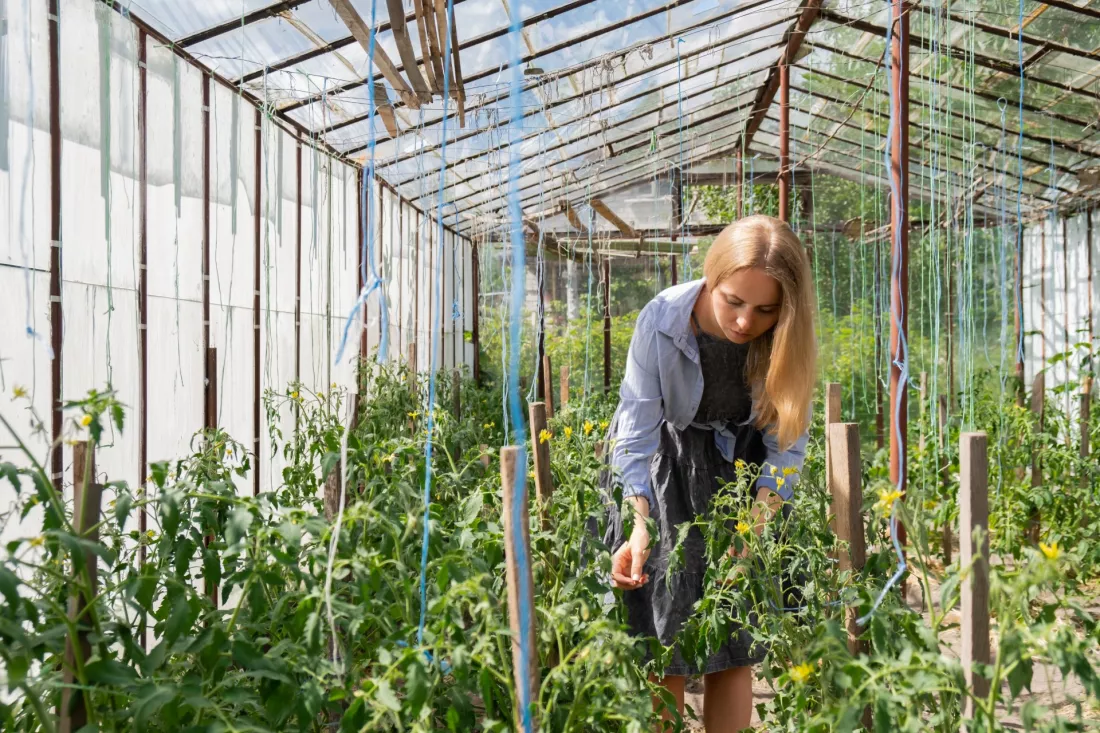
10 questions · two minutes


 EN
EN 
 CS
CS DE
DE ES
ES FR
FR HU
HU IT
IT PL
PL PT
PT РУ
РУ SK
SK TR
TR УК
УК AR
AR 中文
中文