

The global travel sector requires qualified staff capable of handling complex organizational tasks on a daily basis. For those planning a professional career in this field, choosing the right educational path is a crucial step. The University of Physical Education and Sport (GUPES) in Gdansk offers a first-cycle programme focused entirely on the recreation and hotel industry, aiming to prepare students for the realities of the travel market.
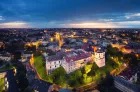
Location plays a significant role when it comes to studying fields related to recreation. The University of Physical Education and Sport is situated in Gdansk, a city that forms a major part of the Tri-city agglomeration alongside Sopot and Gdynia. This specific region is widely recognized not only as an important academic and science centre in Poland but also as a prominent tourism destination. Such surroundings provide a natural backdrop for an education focused on hospitality.
The programme is designed as a first-cycle, full-time course that lasts for three years. Upon completion, graduates obtain a Bachelor's degree. What distinguishes this educational path is its strictly practical profile. The curriculum involves a significant number of practical classes, which are conducted directly in various tourist institutions and hotel facilities. Furthermore, the university emphasizes that the courses are delivered by a highly qualified teaching staff, ensuring that the theoretical knowledge is closely tied to industry standards.
Candidates who decide to enroll in this programme are expected to develop comprehensive competences. These include both social skills and specific knowledge required in the field. The overarching goal of the curriculum is to guarantee the acquisition of universal abilities that enable graduates to find employment across many different sectors of the tourism space. Simultaneously, the studies prepare individuals for specialized business activities without the absolute need to seek additional preparatory courses after graduation.
One of the core elements of the educational process is learning the mechanics of travel preparation. Students acquire competences in the field of organizing all types of tourist trips, covering both individual and collective excursions. Another vital aspect of the daily operations in this sector is interacting with consumers. Consequently, the study program includes detailed training with regard to the individual elements of customer service, ensuring that future professionals know how to respond to various demands.
The current market relies heavily on digital solutions. Therefore, the curriculum mandates the efficient use of modern technologies at the workplace. Alongside technical proficiency, students learn the mechanisms behind the promotion and sale of hotel services. Because the industry is based on human interaction, the ability to maintain professional interpersonal communication is essential. The university highlights this as the foundation for effective cooperation within a team, which is necessary for coordinating complex travel and hospitality services.
Not all graduates choose to work for established corporate entities. Some prefer to start their own ventures. The GUPES programme addresses this by teaching competences in the field of registering and managing an independent economic activity. Students learn about the proper settlement of their own business operations within the tourist and hotel space. This knowledge provides a safety net for those who wish to operate autonomously in the competitive recreation market.
Working in hospitality often means dealing with international guests and partners. Competence in the use of foreign languages is therefore a critical component of the studies. The focus is specifically placed on the knowledge of a foreign language relating to this particular line of business and industry. This targeted linguistic training ensures that graduates can comfortably navigate international environments and handle professional negotiations or arrangements.
The skills acquired during the three-year study period open up several distinct career paths. Graduates are equipped to seek employment in a variety of establishments connected to the travel industry. The potential workplaces include:
Travel agencies
Tourist associations
Wellness and spa facilities
Hotels and other hotel facilities
This range of options reflects the universal nature of the acquired competences and the broad scope of the hospitality sector.
The university has outlined specific conditions for admitting foreigners to these English-taught studies. Candidates must first complete an effective registration in the IRK system. Following this, they are required to meet all formal requirements by attaching a complete set of documents within the specified period. Additionally, applicants must provide confirmation of their English language skills at the B2 level, which is the standard required for this first-cycle of study.
Timing is a crucial factor for prospective students planning their application process. The university has established a clear timeframe for submitting applications. The recruitment deadline in the IRK system spans several months. Candidates can register and submit their documents starting from March 16, 2026, all the way through to September 9, 2026. This wide window allows international applicants sufficient time to gather the necessary paperwork and language certificates.
The Tourism and Hospitality programme at the University of Physical Education and Sport in Gdansk presents a structured, practical approach to entering the travel sector. By combining language training, business management, and practical classes in real-world facilities, the course aims to produce versatile professionals. With clear admission guidelines and a curriculum tailored to industry needs, it serves as a viable option for those looking to build a career in recreation, hotels, or travel agencies.



 EN
EN 
 CS
CS DE
DE ES
ES FR
FR HU
HU IT
IT PL
PL PT
PT РУ
РУ SK
SK TR
TR УК
УК AR
AR 中文
中文