
Choosing a career at sea involves more than just a passion for travel; it requires high-level technical expertise and the ability to operate in a high-stakes international environment. At Gdynia Maritime University (UMG), the Navigation program taught in English prepares students for the challenges of modern shipping and maritime transport. By combining engineering knowledge with global safety standards, the curriculum provides a clear route for those aiming to become deck officers on merchant vessels.
The Bachelor of Engineering program at the Faculty of Navigation is a full-time course spanning eight semesters. It is designed specifically for individuals who see their future in the global maritime industry, where English is the universal language of communication. The degree focuses on providing a solid technical background, ensuring that graduates are not only skilled mariners but also qualified engineers. All educational processes strictly follow the International Convention on Standards of Training, Certification, and Watchkeeping for Seafarers (STCW), which guarantees that the qualifications are recognized by shipowners worldwide.
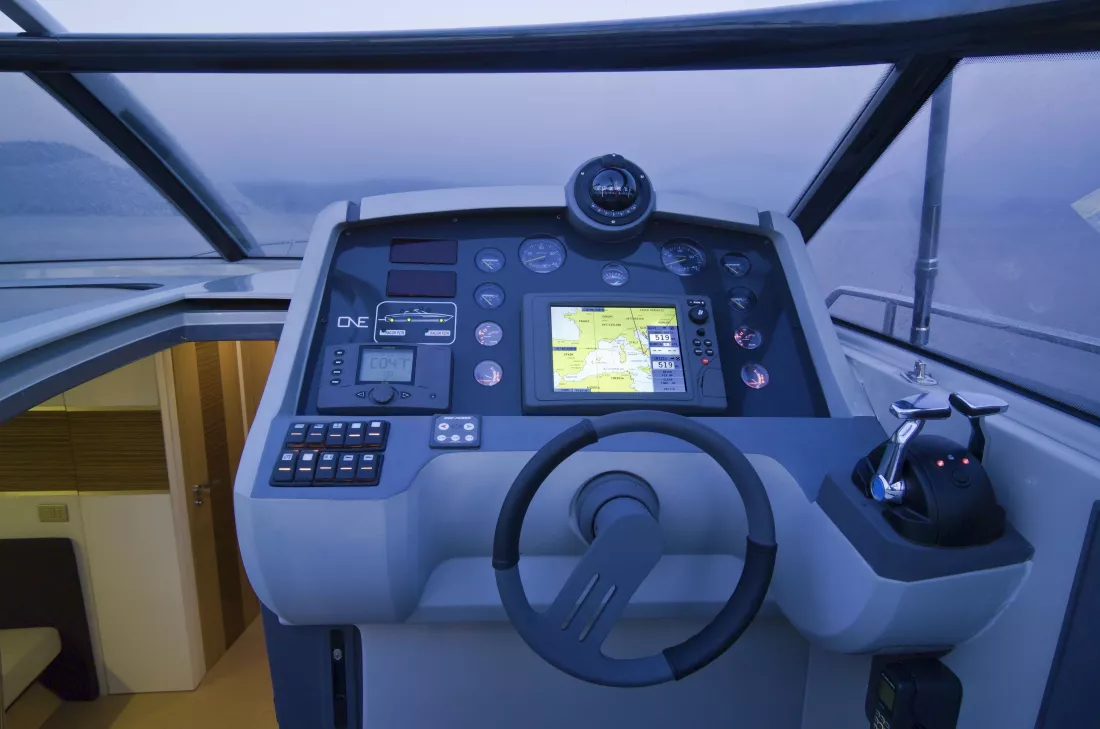
The academic structure is centered around the practical and theoretical aspects of moving a vessel safely from one point to another. Students engage with subjects such as classical navigation and electronic navigational systems, which are essential for modern bridge operations. Another vital component of the program is astronavigation, teaching students how to determine a ship's position using celestial bodies. This traditional skill remains a crucial backup for electronic systems. Additionally, the curriculum covers ship stability and construction, giving future engineers a deep understanding of how various forces affect a vessel’s buoyancy and structural integrity.
Safety is the cornerstone of the maritime industry, and the program reflects this through specialized modules. Students learn to operate the Global Maritime Distress and Safety System (GMDSS), which is the standard for emergency communication at sea. The training also includes the supervision and maintenance of fire protection installations and life-saving appliances. Understanding these systems is mandatory for any officer responsible for the lives of the crew and the safety of the cargo. This technical knowledge is further supported by studies in meteorology and oceanography, which help in predicting weather patterns and sea conditions.
Beyond technical navigation, the program emphasizes the organizational aspect of working on a ship. Graduates are trained to lead teams effectively and organize work in a way that ensures maximum safety. This includes learning the International Regulations for Preventing Collisions at Sea (COLREG), which every officer must follow strictly. The ability to maneuver a vessel and plan a complex voyage requires a combination of analytical thinking and quick decision-making. Students also learn how to handle basic ship installations and systems, ensuring they can troubleshoot technical issues that may arise during a long voyage across the ocean.
The path to becoming a professional officer is closely linked to the certification process integrated into the studies. Throughout the eight semesters, students have the opportunity to obtain various certificates required by maritime administrations. These include basic safety training and specialized courses that are essential for working on different types of vessels. After completing the seventh semester and fulfilling all requirements, students are eligible to apply for the Officer of the Watch (OOW) diploma. This document, issued by the Maritime Administration, is the primary legal requirement for taking a leadership position on the bridge of a merchant ship.
Graduates of the Navigation program find employment on a wide variety of vessels, ranging from container ships and tankers to specialized offshore units. The offshore sector, in particular, offers numerous opportunities for engineers who can handle the complex positioning requirements of wind farm installation vessels or oil rigs. Because the program is conducted in English, the job market is not limited to local companies; instead, it encompasses the entire global shipping industry. The demand for well-trained deck officers remains high, as international trade continues to rely heavily on sea transport for moving goods across continents.
While many choose a life at sea, the engineering degree also opens doors to various land-based careers within the maritime economy. Experienced officers often transition into roles within shipowning companies, working as operations managers or technical superintendents. There is also a significant demand for specialists in companies that design, supply, and service navigational equipment. Graduates can find work in maritime administration, port authorities, or maritime training centers. Their deep understanding of ship systems and international regulations makes them valuable assets in any firm that deals with maritime technology, safety, or logistics on a global scale.
The Navigation program at Gdynia Maritime University represents a comprehensive educational path for future maritime leaders. By offering a Bachelor of Engineering degree in English, the university ensures its graduates are ready for the international labor market from the moment they graduate. The curriculum balances core engineering subjects with specialized maritime training, all while adhering to the highest international safety standards. Whether pursuing a career on the bridge of a massive cargo ship or working in the technical offices of a global armator, graduates possess the necessary skills to excel in the demanding maritime sector.


 EN
EN 
 CS
CS DE
DE ES
ES FR
FR HU
HU IT
IT PL
PL PT
PT РУ
РУ SK
SK TR
TR УК
УК AR
AR 中文
中文