
Medical studies are often associated with years of heavy theoretical preparation, but modern curricula strive to balance book learning with hands-on experience. The program offered at Pomeranian Medical University is designed to guide students through a ten-semester journey, transforming them from novices into capable practitioners. By structuring the course around specific learning outcomes, the university aims to ensure that every graduate possesses the necessary qualifications to treat patients safely and effectively regardless of the specific medical path they choose to follow in the future.
The entire cycle of education on the Faculty of Medicine and Dentistry is planned for five years. This duration translates into ten academic semesters, during which students must complete a substantial workload. The total number of hours dedicated to lectures and practical classes amounts to 5,000. To align with European standards and facilitate potential mobility, the university awards 60 ECTS points for each successfully completed year. This structure ensures that the workload is distributed evenly throughout the decade of semesters.
The curriculum is divided into two distinct phases that reflect the growing complexity of medical training. The first two years serve as the foundation. During this period, the syllabus focuses on delivering knowledge from basic and preclinical disciplines. It also includes an introduction to clinical sciences, allowing students to understand the context of their future work. The subsequent three years mark a shift in focus. The education concentrates heavily on specific dental disciplines and advanced clinical studies, preparing the student for direct patient interaction.
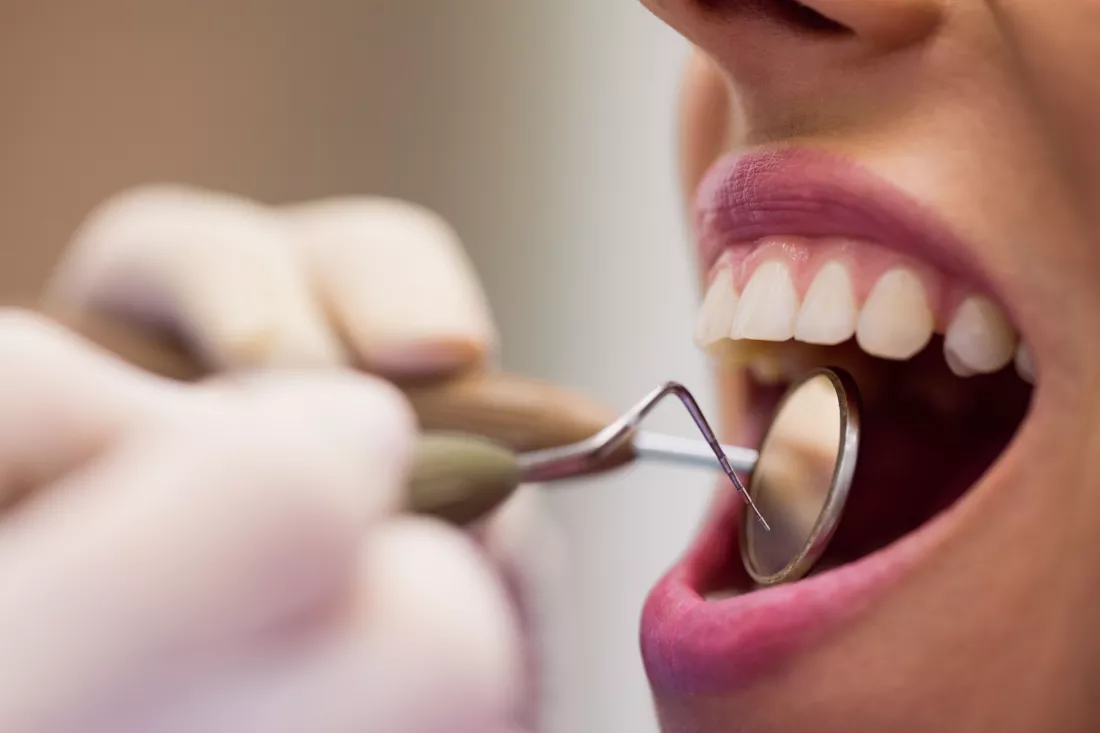
The fifth academic year, covering the ninth and tenth semesters, is unique compared to the previous ones. It is almost entirely dedicated to practical application. During this time, students undergo 30 weeks of training across various fields of dentistry. This intensive period allows them to consolidate the theory learned in lecture halls and apply it in real-world scenarios. It serves as the final verification of their readiness to perform dental procedures independently after graduation.
During the final year’s practical training, the curriculum covers a wide spectrum of dental medicine to ensure versatility. Students rotate through different departments to gain experience in diverse areas. The training includes Conservative Dentistry and Prosthetics, which are fundamental to general practice. Significant time is also dedicated to Dental Surgery and Maxillo-facial Surgery, dealing with more invasive procedures.
The program also emphasizes specialized care for specific patient groups. This includes Paedodontics (dentistry for children) and Integrated Paedodontics, as well as Gerodentistry, focusing on the needs of the elderly. Other critical areas covered include Orthodontics, Periodontal and Mucous Membrane Diseases, and Integrated Conservative Dentistry.
PUM has implemented a modern educational system known as outcome-based education. This approach differs from traditional models by shifting the focus from the teaching process to what the student actually achieves. Learning outcomes are clear statements defining exactly what a student is expected to know, understand, or demonstrate upon completing the learning process. This system adds transparency to the evaluation process and ensures that all graduates meet the same standard of professional capability.
The defined learning outcomes are categorized into three primary elements that constitute a competent practitioner. The first element is knowledge. This involves not just memorizing facts, but demonstrating evidence of knowledge, assessing comprehension, and applying analysis and synthesis to solve problems. The second element focuses on what the student is able to do, strictly referring to practical skills and manual dexterity required in dental procedures.
The third element relates to the student as a professional. This category encompasses competences, described as a dynamic combination of attributes, abilities, and attitudes. It ensures that the future dentist behaves ethically and professionally in a clinical environment.
To organize the curriculum effectively, these three primary elements are distributed across seven specific domains. Students are required to master these areas over the course of the first four academic years.
A: Morphological sciences
B: Scientific basis of medicine
C: Preclinical sciences
D: Behavioral sciences with elements of professionalism
E: Clinical sciences in general medicine
F: Clinical sciences in dentistry
G: Legal and organizational basis of medicine
The dentistry program at PUM presents a structured approach to medical training, moving systematically from theory to complex clinical practice. By utilizing an outcome-based education model, the curriculum aims to produce graduates who are not only skilled in dental procedures but also grounded in legal, organizational, and behavioral aspects of medicine. The division into specific domains and the intensive 30-week practical training on the final year ensure that students cover a broad range of specializations before entering the workforce.



 EN
EN 
 CS
CS DE
DE ES
ES FR
FR HU
HU IT
IT PL
PL PT
PT РУ
РУ SK
SK TR
TR УК
УК AR
AR 中文
中文