Solidarity is usually discussed in speeches and history lessons, but at the University of Gdańsk it is a full master’s programme taught in English. Solidarity Studies treats the idea as something to research, test and put into practice. The programme is run together with the European Solidarity Centre and is built around six modules, guest lectures and research projects that grow into a master’s thesis — and at the end you can check whether this kind of study suits you.
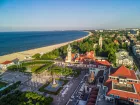
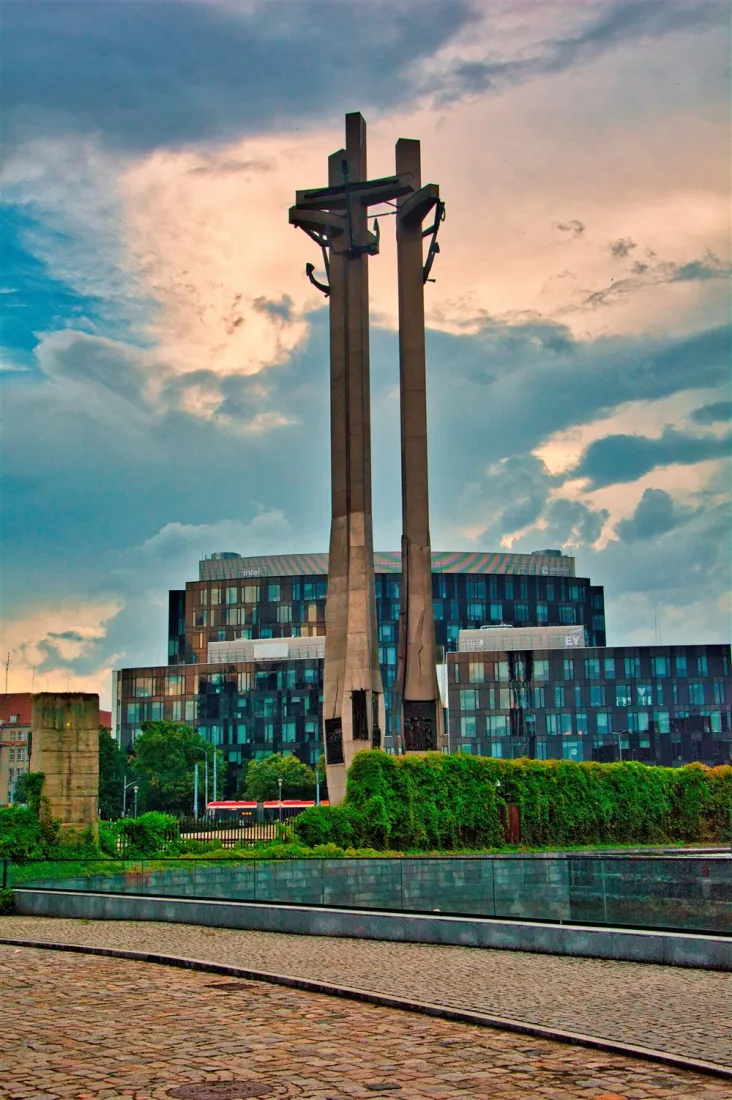
The University of Gdańsk presents itself as a natural home for this subject. The city is where the ‘Solidarity’ movement began and where the peaceful revolution of 1980 challenged the communist regime. The programme starts from that history, but its goal is not nostalgia. It treats solidarity as a value that supports a democratic community oriented towards the public good, and as an answer to the needs of contemporary reality.
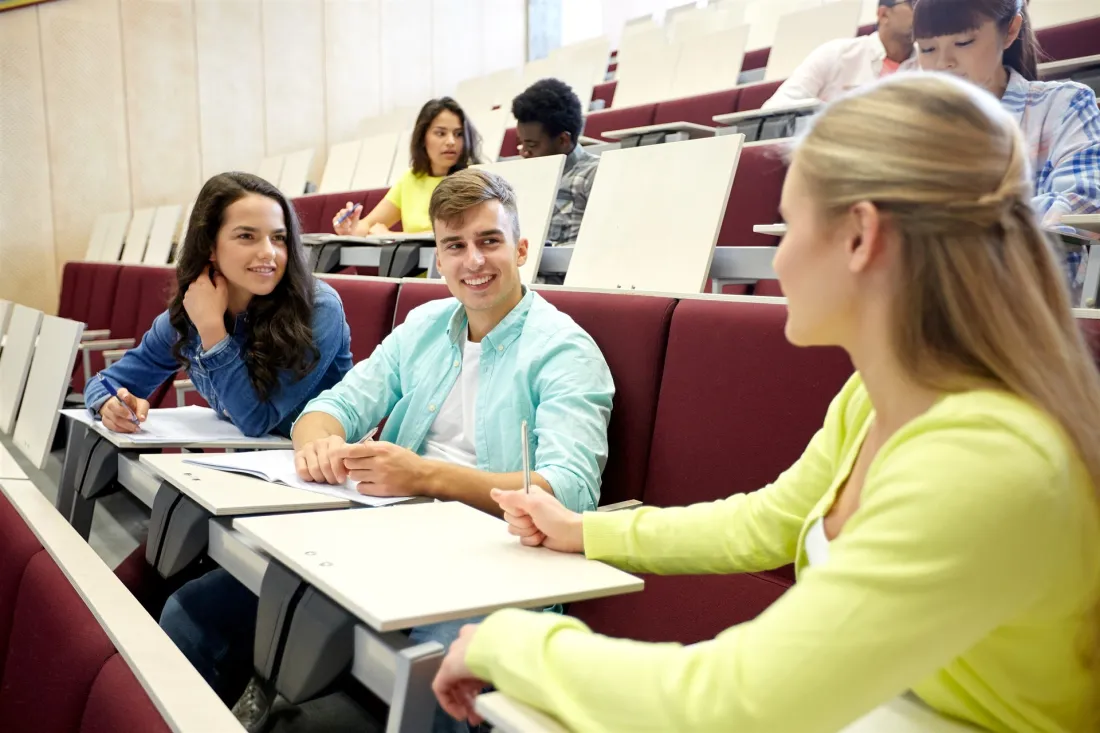
Students prepare to adapt to rapid social, economic and climate change, and to address such changes when they turn into crises. Solidarity Studies is a second-cycle programme run by the Faculty of Social Sciences. It is full-time, taught in English and lasts three semesters, which means one and a half years.
The curriculum is organised into six modules. The programme describes the idea of solidarity as something that should be viewed from several sides, much like a hologram, so each module looks at it from a different direction.
Every module includes lectures by scholars with an international reputation and by experts on solidarity. Students also complete a Study and Research Project in each module, in which they investigate current realities and test theory against real social, political and climate conditions.
The projects are not separate exercises that are forgotten once a module ends. The completed work contributes to the master’s thesis, which is defended at the end of the final semester. In practice, the thesis grows step by step out of the research students do throughout the programme.
The structure is also flexible. Each module can be taken as a micro-credential, so a student can finish at any point, and classes are grouped into blocks. In addition, the University of Gdańsk belongs to the Fahrenheit Universities association, whose accredited specialisations, fields of study and micro-credentials widen the available learning paths.
The European Solidarity Centre co-runs the programme with the university, and part of the classes take place there. That gives students access to its permanent exhibition ‘Roads to Freedom’, a thematic library and artistic and social events. Studying in such a place makes the subject less abstract, because the history behind the idea is literally in the same building. The programme also has links with a network of European researchers of solidarity.
The programme is aimed at people who want the knowledge, skills and competences to adapt to social, economic and climate change and to help others do the same. It is addressed to future professionals from various fields, to leaders and to social activists. Applicants should hold a bachelor’s or master’s diploma, and the field of that earlier degree can be any.
Graduates are described as animators and leaders of change who encourage the practice of solidarity in community life, in local and wider institutions and in formal and informal settings. Their careers can go in several directions.
Current admission rules and fees are worth checking on the university’s admissions website, as they vary between intakes.
Solidarity Studies at the University of Gdańsk is a three-semester master’s programme in English that treats solidarity as a subject of research and a skill for working with communities. Six modules, guest lectures, research projects and a thesis built from them give it a clear structure, while micro-credentials keep it flexible.
It suits people from many backgrounds who want to work for social change in institutions, NGOs, public offices or companies, or who simply want to understand how solidarity can function in economy, society and politics.
10 questions · two minutes


 EN

 CS
 DE
 ES
 FR
 HU
 IT
 PL
 PT
 РУ
 SK
 TR
 УК
 AR
 中文