Geophysicists study what lies beneath the surface: they use seismic waves, electrical signals and well logs to find deposits, check ground conditions and monitor hazards. At AGH University of Krakow, the Applied Geophysics specialty of the Geophysics master’s programme is taught in English and takes three semesters. It mixes data processing, Python and fieldwork with industry software, and you can check at the end whether this path is right for you.
Applied Geophysics is a specialty of the second-cycle Geophysics programme at AGH University of Krakow (AGH), run by the Faculty of Geology, Geophysics and Environmental Protection. AGH lists it among its full-time master’s programmes taught in English. The studies last three semesters and are worth 90 ECTS credits. Graduates receive the Polish professional title of magister inżynier, the equivalent of a Master of Science in Engineering.
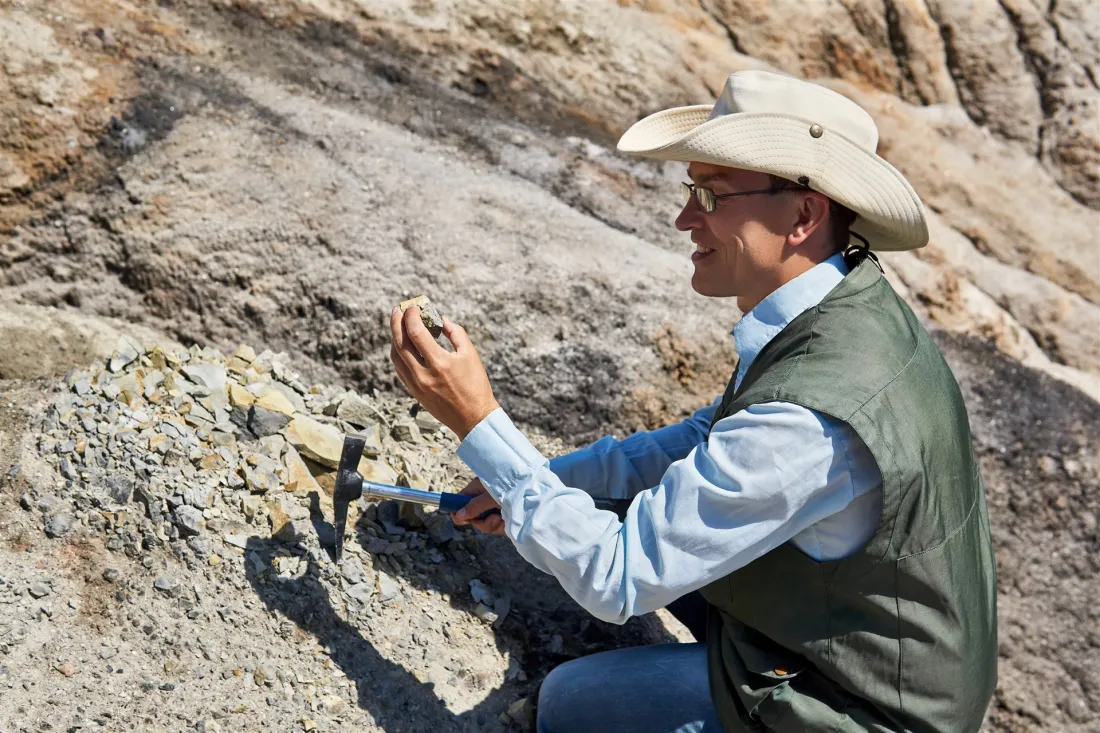
The programme has a general academic profile and belongs entirely to the discipline of Earth sciences and the environment. According to the curriculum, AGH treats geophysics as a field of critical importance to the economy. It deals with engineering projects for prospecting deposits, monitoring the geological environment, testing ground conditions and studying mass movements.
The curriculum describes the expected candidate quite precisely. Applicants for Applied Geophysics at AGH should have general knowledge of the natural sciences and understand processes in nature as well as human impact on the environment. They should know basic technological issues relevant to geophysics and respect the principles of sustainable development. Candidates are also expected to be able to carry out laboratory and field work, work in a team and use professional literature, and to know English at level B2 of the European framework.
The first semester of Applied Geophysics at AGH builds the core of the specialty. Students take courses such as:
The second semester goes deeper into specialised methods. It includes Rock Physics, Potential Methods, Engineering Seismic, Engineering Geoelectrics, Seismology and Mining Seismometry, as well as Processing and Interpretation of Well Logging Data. Students also take Geophysical Analyses in Environmental Protection, a course on intellectual property protection and a foreign language course at level B2+.
A practical feature of the Applied Geophysics curriculum at AGH is its use of certified and licensed geophysical data processing systems used in the oil, mining and geophysical industry. The curriculum names Techlog, Promax, Hampson-Russell and Petrel among them. The faculty also signs cooperation agreements with private companies, local authorities and public institutions such as the Regional Water Management Authority in Krakow.
The third semester is largely devoted to the diploma thesis, which is worth 20 ECTS, together with a diploma seminar and a course in comprehensive interpretation of geophysical data. Students choose electives such as Seismic Hazard, Geophysical Monitoring, Reservoir Geophysics or Economic Aspects of Geophysical Research. There is also a humanities block, with options such as Geosciences in Arts. A thesis research internship appears in the first semester, while compulsory apprenticeships are not planned at this level.
Fun fact: According to the AGH curriculum, graduates of Applied Geophysics can work in geophysical observatories and operate seismometric networks in hard coal and copper mines.
The curriculum names exploration, engineering and environmental geophysics as the main branches open to graduates. Typical roles listed by AGH include:
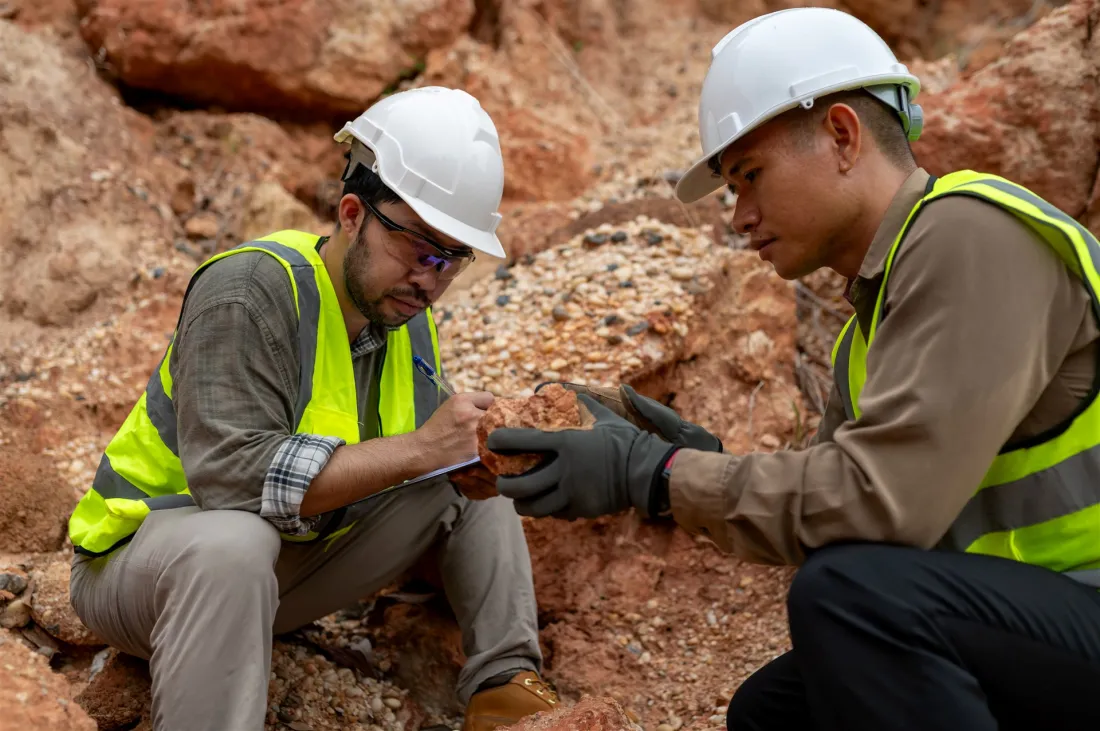
Graduates are prepared to work in geophysical, geological and mining companies and to carry out field measurements on their own or in teams. Thanks to their mathematical, physical and IT background, they can also continue to doctoral studies or work in other institutions that require higher technical education. Current admission rules and fees are worth checking on the university’s admissions website, as they vary between intakes.
Applied Geophysics at AGH University of Krakow is a three-semester, English-taught master’s specialty for people with a background in the natural sciences who want to study the Earth through measurements and data. The programme combines seismic and geoelectrical methods, rock physics and well logging with Python and industry software. It leads to the title of magister inżynier and prepares graduates for work in exploration, mining, environmental protection and research.
10 questions · two minutes


 EN

 CS
 DE
 ES
 FR
 HU
 IT
 PL
 PT
 РУ
 SK
 TR
 УК
 AR
 中文