
Olsztyn, Poland

Environmental Biotechnology
(field of studies: Environmental Engineering)

Master's
Table of contents
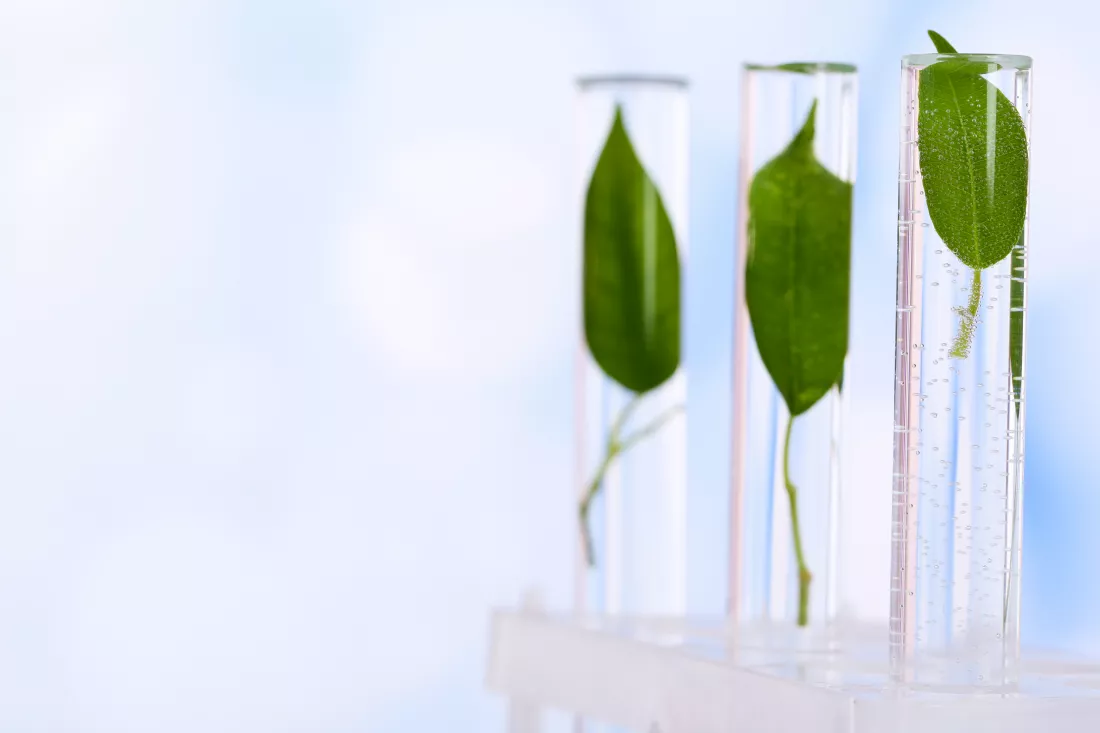
green-leaves-test-tubes-color-background

⇑Environmental Biotechnology at UWM

Field of studies: Environmental Engineering
Language: EnglishStudies in English
Subject area: physical science, environment
Kind of studies: full-time studies
  • Description:

  • pl
University website: uwm.edu.pl/en

⇑Why choose the Environmental Biotechnology specialisation at UWM in Olsztyn?

Dlaczego warto studiować na UWM
Why study it:

Environmental Biotechnology is a specialisation in the Environmental Engineering programme (second-cycle studies) at the University of Warmia and Mazury in Olsztyn (UWM). It is taught in English and is for first-cycle graduates who want to design biological solutions for wastewater, waste, polluted soils and biogas.

Programme: biology applied to treatment plants

The core of the path is the work of microorganisms in technical systems. You study bioprocess engineering, including the kinetics of microbial growth in wastewater treatment, and design activated sludge systems that remove organic compounds, nitrogen and phosphorus. Technical biocenoses and aerobic granular sludge show how the species composition of the biomass affects the efficiency of treatment. Biocatalysis, bioremediation of soils polluted with oil and heavy metals, and the biotechnology of solid waste complete the picture.

Specialisation: design-oriented subjects

Compared with the other English-taught paths, this one has a strong design and energy side:

  • designing agricultural biogas plants and biowaste treatment processes, including biohydrogen production in energy heaps
  • modelling of wastewater treatment plants and biogas plants with simulation models
  • technologies of algae biomass production and its use as a source of biogas and liquid fuels
  • natural polymers such as polylactic acid, starch and PHA
  • membrane techniques, including membrane bioreactors

Labs: analytical equipment

Measuring pollutants in water, wastewater and soil. In analytical techniques you prepare environmental samples and use spectrophotometric methods, microwave mineralisation, high-performance liquid chromatography and flame atomic absorption spectrometry.

After graduation: where graduates work

Graduates of Environmental Engineering are prepared for work in design offices, municipal facilities and plants that produce energy from renewable sources. This specialisation points in particular to companies that implement environmental biotechnology in municipal management. Other options are institutions that manage the environment and research institutes, and you can continue in a doctoral school.

Based on the programme description at uwm.edu.pl.

Updated: 12.11.2026
⇑Test: Is Environmental Biotechnology the right fit for you?

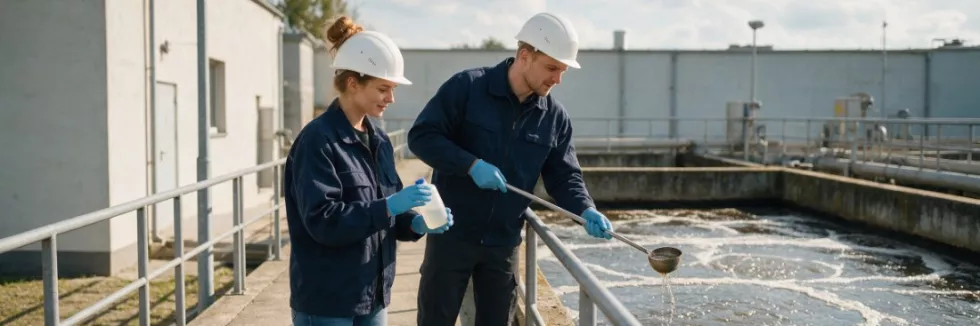
biotechnologists-sampling-activated-sludge-at-a-treatment-plant

10 questions · two minutes
1. The activated sludge at a wastewater treatment plant starts bulking and effluent quality drops. What do you do?

2. How do you feel about using microorganisms to clean up oil-contaminated soil?

3. You receive metagenomic sequencing data from a biogas reactor’s microbial community. How do you react?

4. A biogas plant is producing less methane than expected. How would you tackle it?

5. How do you feel about working with samples such as sewage sludge, compost or landfill leachate?

6. Your lab group includes researchers from several countries, and all meetings, protocols and papers are in English. How do you see that?

7. You need to test whether a new microbial consortium removes pharmaceutical residues from water. How do you set it up?

8. What do you think about turning food waste into bioplastics or other valuable products through fermentation?

9. Which future role sounds most like you?

10. What motivates you most to pursue a Master’s degree in Environmental Biotechnology?

⇑Definitions and quotes

Biotechnology
Biotechnology is the use of living systems and organisms to develop or make products, or "any technological application that uses biological systems, living organisms, or derivatives thereof, to make or modify products or processes for specific use" (UN Convention on Biological Diversity, Art. 2). Depending on the tools and applications, it often overlaps with the (related) fields of bioengineering, biomedical engineering, biomanufacturing, molecular engineering, etc.

Contact:

ul. Michała Oczapowskiego 2
10-719 Olsztyn
tel: +48 89 523 49 13
StudentNews Group Websites for students and future students — in Poland since 2007, across Europe since 2014. Over 50 websites and millions of users a year (Google Analytics). Studies in Europe Universities in Europe Bachelor’s Master’s Doctorate MBA Study guide Work abroad Travel For partners Advertising and cooperation Reach (online report) Contact advertising@studentnews.eu © 2003–2026 Grupa StudentNews.pl sp. z o.o., Modlnica, Poland
Privacy Policy