Gdańsk, Poland

Training Specialisations
(field of studies: Sport)

Master's
Table of contents
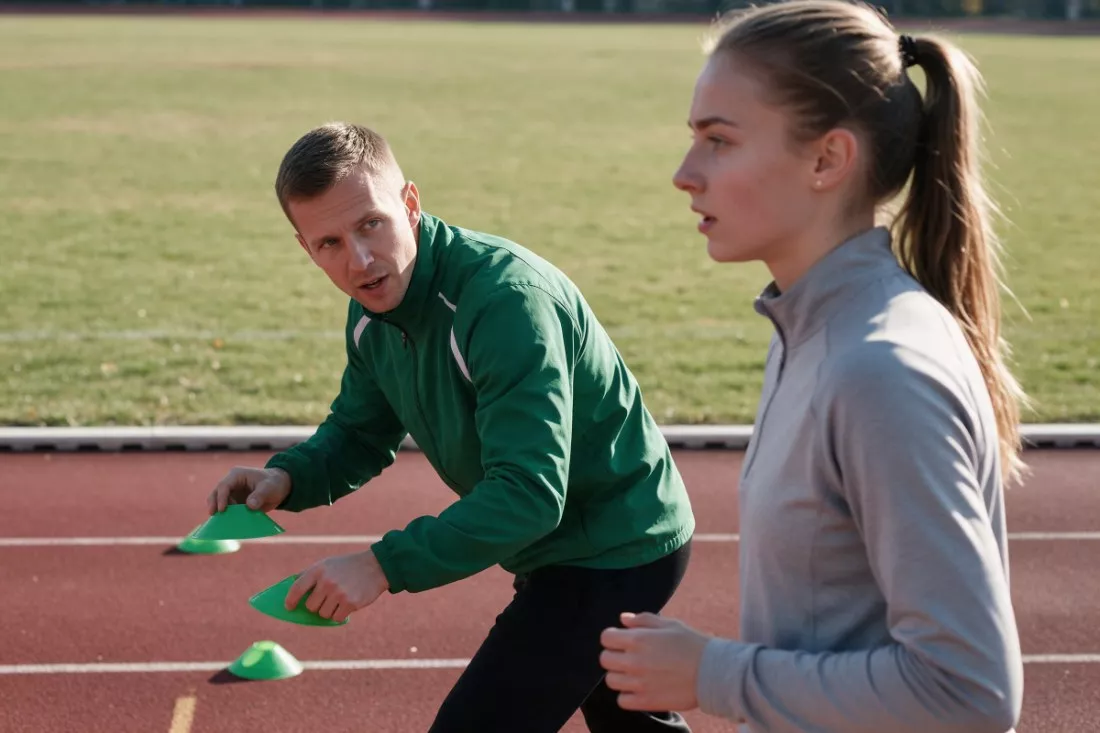
trener-objasnia-cwiczenie-biegaczce-na-biezni

⇑Training Specialisations at AWFiS w Gdańsku

Field of studies: Sport
Language: EnglishStudies in English
Subject area: teacher training and education science
Kind of studies: full-time studies
  • Description:

  • pl
University website: awf.gda.pl/international

⇑Why choose Training Specialisations in Sport (Master's) at AWFiS?

dlaczego-warto-studiowac-na-AWFiS
Why study it:

Training Specialisations are a specialisation within the Sport programme (master’s) at the Gdańsk University of Physical Education and Sport (AWFiS), a two-year, full-time course with a practical profile, taught in English. They are for coaches and athletes who want to go deeper into one Olympic discipline and work in a professional coaching team.

Programme: one discipline, studied in depth

On the master’s Sport programme you take one coaching specialisation in an Olympic sport – the alternative is two instructor or other specialisations. Choosing the coaching route means concentrating your two years on a single discipline and on the way a training process is programmed, organised and carried out at a higher level.

Classes are taught by researchers and specialists as well as by coaches of Olympic and national teams and accomplished athletes, so the methods you learn come from people who use them in real competition.

Specialisation: coaching disciplines

At master’s level coaching specialisations are offered in:

  • basketball, football, handball and volleyball
  • athletics, gymnastics and swimming
  • judo, tennis and bodybuilding
  • sailing and board sailing (windsurfing and kiteboarding)
  • sport and dynamic shooting
  • motor preparation

Labs: science behind the training

AWFiS campus in Gdańsk Oliwa

  • Laboratoriessport and exercise physiology, biomechanics, health and performance psychology, qualitative research
  • Training venues13 gyms, 2 sports halls, 5 outdoor sports fields
  • Pool1 swimming pool

Qualifications: coach’s diploma at master’s level

You graduate with a coach’s diploma in your discipline and the professional title of magister (Master of Arts) in sport, after two years of full-time study.

After graduation: a place on the coaching staff

The programme prepares you to be a member of a coaching or specialist staff, responsible for planning and leading the training process in your discipline. It also prepares graduates to manage sports clubs and organisations – a natural next step for coaches who want to shape the sporting direction of a whole club as well as the work of their own group.

As of the 2026/27 admissions, based on the programme page at awf.gda.pl.
⇑Test: Is Training Specialisations the right fit for you?

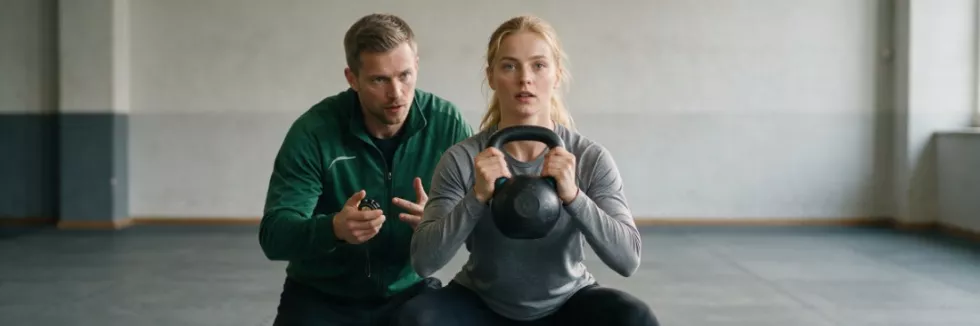
coach-checking-an-athletes-kettlebell-squat-technique

10 questions · two minutes

1. An athlete you’re coaching on your placement hasn’t improved for weeks, even though they train conscientiously. What do you do?

2. You need to plan a whole season of preparation for a squad. Where do you start?

3. As part of your Master’s you choose a coaching specialisation. How do you approach the choice?

4. Classes, exercise physiology reading and session debriefs will all be in English, and you’ll be studying with coaches and athletes from many countries. How does that sound?

5. One of your athletes reports knee pain after a hard week of training. How do you respond?

6. The club gives you heart-rate and GPS data from the athletes. What do you do with it?

7. Before an important competition, one of your athletes is visibly stressed. What do you do?

8. You come across a new study that challenges a popular training method you use. How do you react?

9. Where do you see yourself after graduating?

10. What motivates you most to pursue a Master’s degree in Training Specialisations?

⇑Definitions and quotes

Training
Training is teaching, or developing in oneself or others, any skills and knowledge that relate to specific useful competencies. Training has specific goals of improving one's capability, capacity, productivity and performance. It forms the core of apprenticeships and provides the backbone of content at institutes of technology (also known as technical colleges or polytechnics). In addition to the basic training required for a trade, occupation or profession, observers of the labor-market recognize as of 2008 the need to continue training beyond initial qualifications: to maintain, upgrade and update skills throughout working life. People within many professions and occupations may refer to this sort of training as professional development

Contact:

Kazimierza Gorskiego Street 1
80-336 Gdansk
International Recruitment Office
+48 58 55 47 233; +48 511 176 938
contact
Gdansk University of Physical Education and Sport - Guidebook

Privacy Policy