Why It's Worth It:
⇑Unique International Double Degree Program
The Food Engineering specialization at the University of Warmia and Mazury in Olsztyn (UWM) offers a unique educational path for students seeking an international career in the food industry. This second-cycle program is conducted entirely in English and is organized in close collaboration with the University of Applied Sciences in Offenburg. Graduates benefit from a prestigious double master's degree, receiving diplomas from both the Polish and German institutions, which significantly enhances their competitiveness in the global labor market.
⇑Comprehensive Knowledge of Bioprocesses
The curriculum at UWM provides an extensive overview of bioprocess and food manufacturing systems engineering. Students focus on complex problems related to food quality, technical microbiology, and advanced manufacturing systems. The program is designed to bridge the gap between theoretical science and practical application, ensuring that participants understand the chemical, biochemical, and microbiological processes occurring in food while mastering the technical aspects of its production.
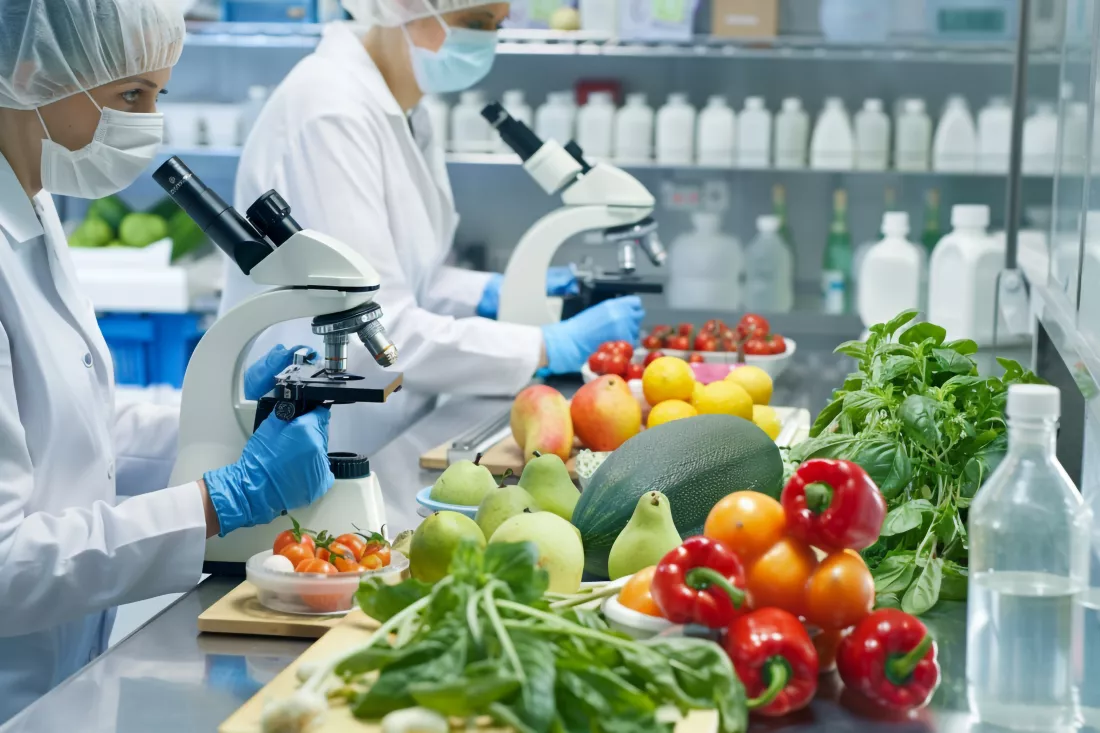
Participants of the Food Engineering track gain hands-on experience with modern analytical techniques and innovative technologies. The studies emphasize the development of new food products and the implementation of cost-effective systems for manufacturing. By working with advanced equipment and software, students learn how to design and control technical processes, preparing them to solve real-world challenges in the food sector.
⇑Dynamic Semester Structure in Two Countries
The three-semester program at the University of Warmia and Mazury in Olsztyn is structured to provide maximum international exposure. Typically, the first semester is spent in Poland, while the second semester takes place in Germany at the partner university. The final semester is dedicated to the Master's thesis, which can be conducted at either university or externally within a suitable company. This mobility allows students to experience different academic environments and cultures.
⇑Focus on Management and Safety
Beyond purely technical skills, the specialization covers essential aspects of food quality and safety management. Students learn about food marketing, production economics, and process control engineering. This interdisciplinary approach ensures that graduates are not only skilled engineers but also competent managers who can carry out economic calculations and organize production lines effectively.
⇑Research and Development Opportunities
The Faculty of Food Science at UWM is known for its strong research background, providing students with opportunities to engage in various projects. Areas of interest include innovative food preservation methods, the use of plant extracts in nutrition, and the development of functional foods. Such environment fosters an atmosphere of self-development and encourages students to pursue creative solutions for the global food industry.
⇑Excellent Professional Prospects Worldwide
Absolvents of the program are highly sought after by employers in various branches of the food and bioprocess industries. They are well-prepared to take on engineering and managerial positions in research and development centers, quality control laboratories, and production plants. The combination of technical expertise, management skills, and international experience allows them to pursue diverse career paths in institutions dealing with food processing, distribution, and human nutrition.
⇑Financial Support and Mobility Grants
To support international mobility, students participating in the program may benefit from various financial aids. While studying in Germany, participants often have access to Erasmus+ scholarships, which help cover living expenses abroad. Additionally, certain foundations provide dedicated support for students, making this prestigious international educational path accessible to a wider range of talented candidates.