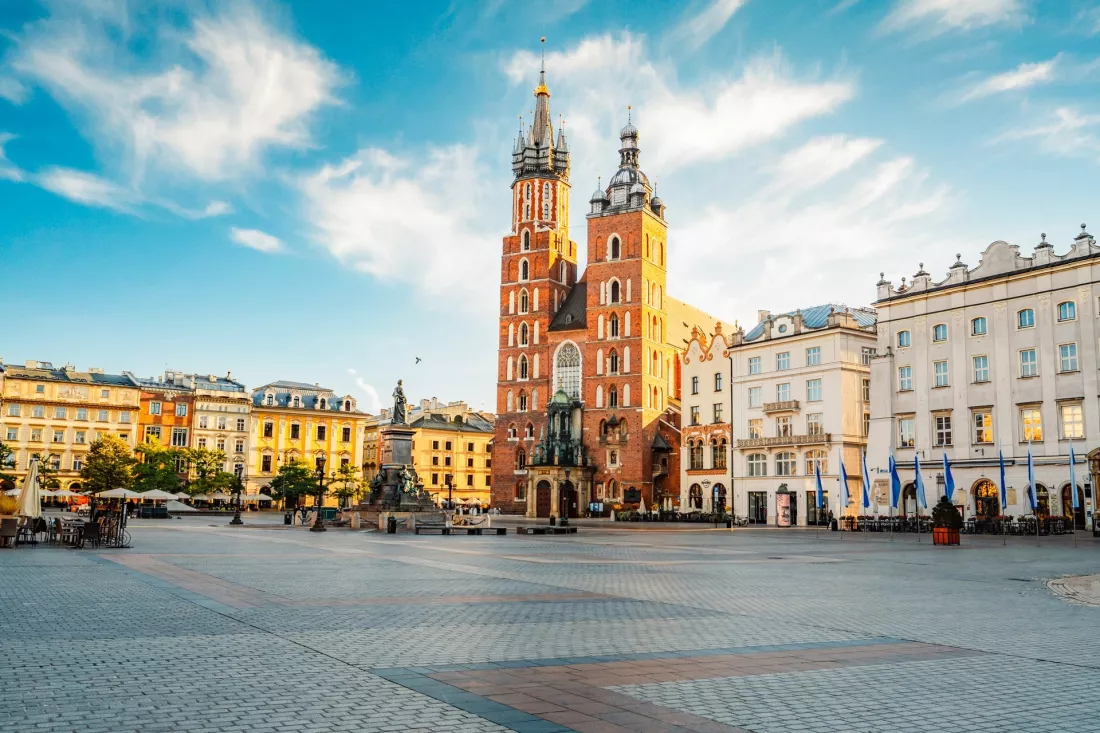
Cracow, Poland

International Security and Development

Master's
Table of contents
e-learning-student-university-conceptual

⇑International Security and Development at UJ

Language: EnglishStudies in English
Subject area: security services
Kind of studies: full-time studies
  • Description:

  • pl

⇑Test: Is International Security and Development the right fit for you?

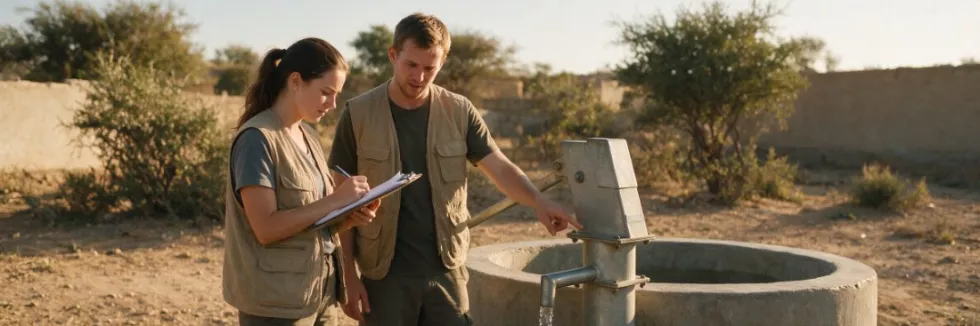
development-workers-assessing-a-water-well-in-the-field

10 questions · two minutes

1. In a fragile region, armed violence keeps destroying newly built schools and clinics. How do you see the link between security and development?

2. You’re designing a development project in a post-conflict area. Where do you start?

3. How do you feel about working with indicators such as poverty, food insecurity and displacement to assess the risk of instability?

4. Which research topic attracts you most?

5. A donor wants quick, visible results, but local partners say lasting change takes years. How do you handle it?

6. How do you feel about possibly working in demanding conditions – field missions, humanitarian settings, limited comfort?

7. How do you feel about studying peacebuilding, disarmament and the reintegration of former combatants?

8. The programme is taught in English, and you’ll analyse case studies of fragile regions with students from many countries. How do you feel about that?

9. Which future role sounds most like you?

10. What motivates you most to pursue a Master’s degree in International Security and Development?

⇑Definitions and quotes

International
International mostly means something (a company, language, or organization) involving more than a single country. The term international as a word means involvement of, interaction between or encompassing more than one nation, or generally beyond national boundaries. For example, international law, which is applied by more than one country and usually everywhere on Earth, and international language which is a language spoken by residents of more than one country.
Security
Security is freedom from, or resilience against, potential harm (or other unwanted coercive change) from external forces. Beneficiaries (technically referents) of security may be persons and social groups, objects and institutions, ecosystems, and any other entity or phenomenon vulnerable to unwanted change by its environment.
Security
But why should there be an exception relative to security?  What special reason is there that the production of security cannot be relegated to free competition?  Why should it be subjected to a different principle and organized according to a different system?
Gustave de Molinari, tr. J. Huston McCulloch, §II of The Production of Security (Auburn, AL: Ludwig von Mises Institute, 2009; orig. 1849), p. 24.
Security
[T]he production of security should, in the interests of the consumers of this intangible commodity, remain subject to the law of free competition.  …  [N]o government should have the right to prevent another government from going into competition with it, or to require consumers of security to come exclusively to it for this commodity.
Gustave de Molinari, tr. J. Huston McCulloch, §II of The Production of Security (Auburn, AL: Ludwig von Mises Institute, 2009; orig. 1849), pp. 22–23.
Security
Everywhere, when societies originate, we see the strongest, most warlike races seizing the exclusive government of the society.  Everywhere we see these races seizing a monopoly on security within certain more or less extensive boundaries, depending on their number and strength.And, this monopoly being, by its very nature, extraordinarily profitable, everywhere we see the races invested with the monopoly on security devoting themselves to bitter struggles, in order to add to the extent of their market, the number of their forced consumers, and hence the amount of their gains.
War has been the necessary and inevitable consequence of the establishment of a monopoly on security.
Gustave de Molinari, tr. J. Huston McCulloch, §VI of The Production of Security (Auburn, AL: Ludwig von Mises Institute, 2009; orig. 1849), pp. 34–35.


Contact:

phone (+48 12) 663 11 00
Gołębia str. 24
31-007 Kraków
Privacy Policy