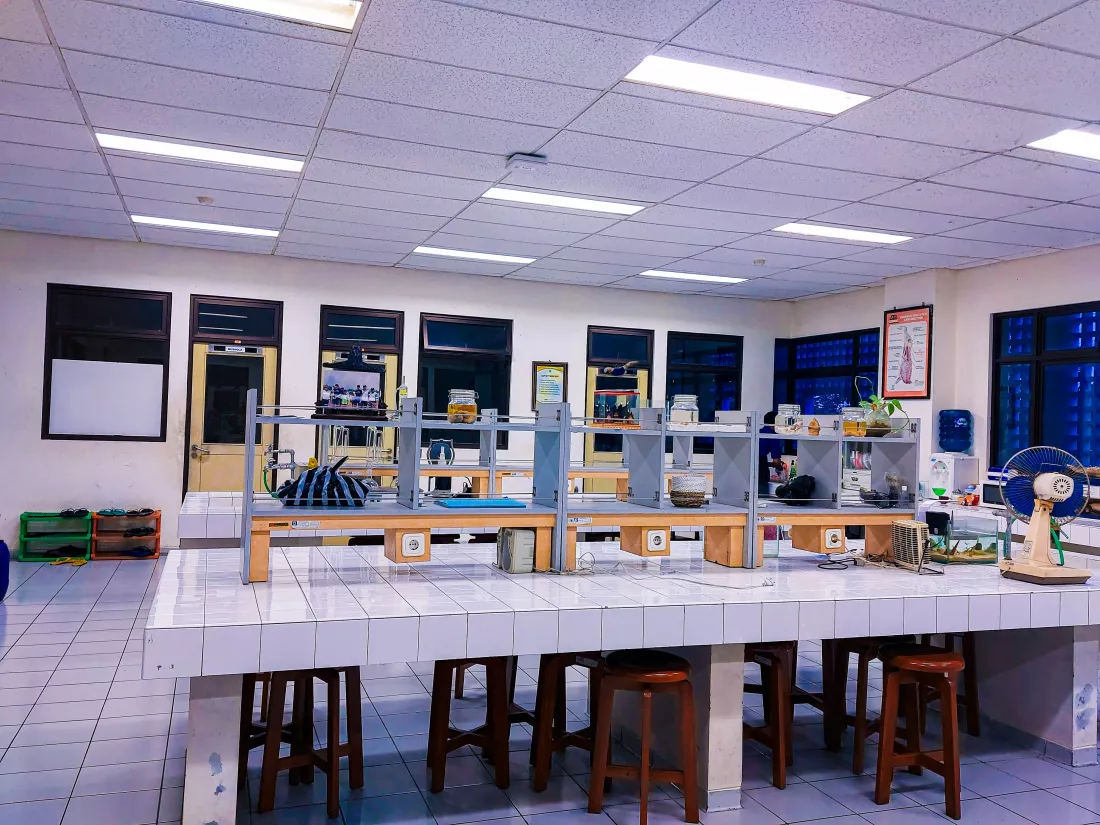
Chemistry
Chemistry is the scientific discipline involved with compounds composed of atoms, i.e. elements, and molecules, i.e. combinations of atoms: their composition, structure, properties, behavior and the changes they undergo during a reaction with other compounds. Chemistry addresses topics such as how atoms and molecules interact via chemical bonds to form new chemical compounds. There are four types of chemical bonds: covalent bonds, in which compounds share one or more electron(s); ionic bonds, in which a compound donates one or more electrons to another compound to produce ions (cations and anions); hydrogen bonds; and Van der Waals force bonds.
Technology
Technology ("science of craft", from Greek τέχνη, techne, "art, skill, cunning of hand"; and -λογία, -logia) is first robustly defined by Jacob Bigelow in 1829 as: "...principles, processes, and nomenclatures of the more conspicuous arts, particularly those which involve applications of science, and which may be considered useful, by promoting the benefit of society, together with the emolument [compensation ] of those who pursue them" .
Technology
Incorrigible humanity, therefore, led astray by the giant Nimrod, presumed in its heart to outdo in skill not only nature but the source of its own nature, who is God; and began to build a tower in Sennaar, which afterwards was called Babel (that is, 'confusion'). By this means human beings hoped to climb up to heaven, intending in their foolishness not to equal but to excel their creator.
Dante Alighieri, De vulgari eloquentia, Chapter VII
Chemistry
I was an atheist, finding no reason to postulate the existence of any truths outside of mathematics, physics and chemistry. But then I went to medical school, and encountered life and death issues at the bedsides of my patients. Challenged by one of those patients, who asked "What do you believe, doctor?", I began searching for answers.
Francis Collins, a geneticist who led the U.S. government’s effort to decipher the human genome (DNA). cnn.com