Wrocław, Poland

Culture, Thought and Humanity

Bachelor's
Table of contents
jonathan-borba-p110THloDYg-unsplash

⇑Culture, Thought and Humanity at UWr

Language: EnglishStudies in English
Subject area: humanities
Kind of studies: full-time studies
  • Description:

  • pl
University website: uni.wroc.pl/en/

⇑Test: Is Culture, Thought and Humanity the right fit for you?

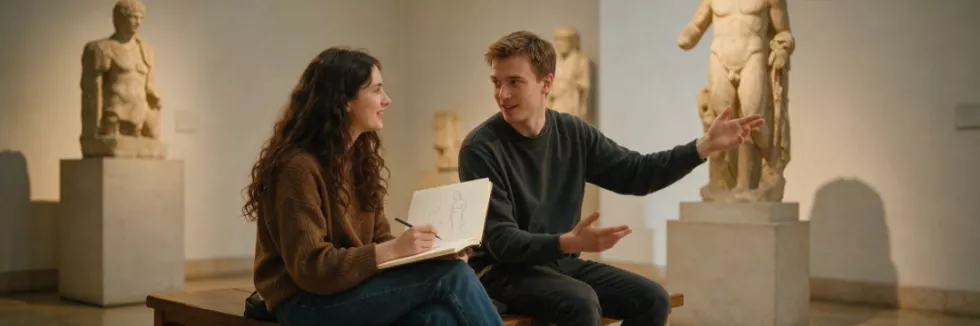
humanities-students-discussing-sculptures-in-a-museum

10 questions · two minutes

1. You notice that an old painting, an ancient myth and a recent film tell a similar story. What do you do?

2. Is it ever right to lie to protect someone? How do you feel about questions like this?

3. How do you feel about reading demanding texts – classic philosophy, essays, literature – and discussing them in a seminar?

4. You visit an exhibition about rituals and everyday objects from different cultures. How long do you stay?

5. How do you feel about the question of how technology and artificial intelligence change what it means to be human?

6. The programme is taught in English, and you’ll take part in seminars with students from many countries. How do you see that?

7. You need to write an essay arguing a thesis about a cultural phenomenon, such as a popular festival or an internet meme. How do you feel?

8. Someone tells you that the humanities are useless today. How do you respond?

9. Which future path appeals to you most?

10. What motivates you most to study Culture, Thought and Humanity?

⇑Definitions and quotes

Culture
Culture () is the social behavior and norms found in human societies. Culture is considered a central concept in anthropology, encompassing the range of phenomena that are transmitted through social learning in human societies. Some aspects of human behavior, social practices such as culture, expressive forms such as art, music, dance, ritual, religion, and technologies such as tool usage, cooking, shelter, and clothing are said to be cultural universals, found in all human societies. The concept of material culture covers the physical expressions of culture, such as technology, architecture and art, whereas the immaterial aspects of culture such as principles of social organization (including practices of political organization and social institutions), mythology, philosophy, literature (both written and oral), and science comprise the intangible cultural heritage of a society.
Privacy Policy