Agronomy
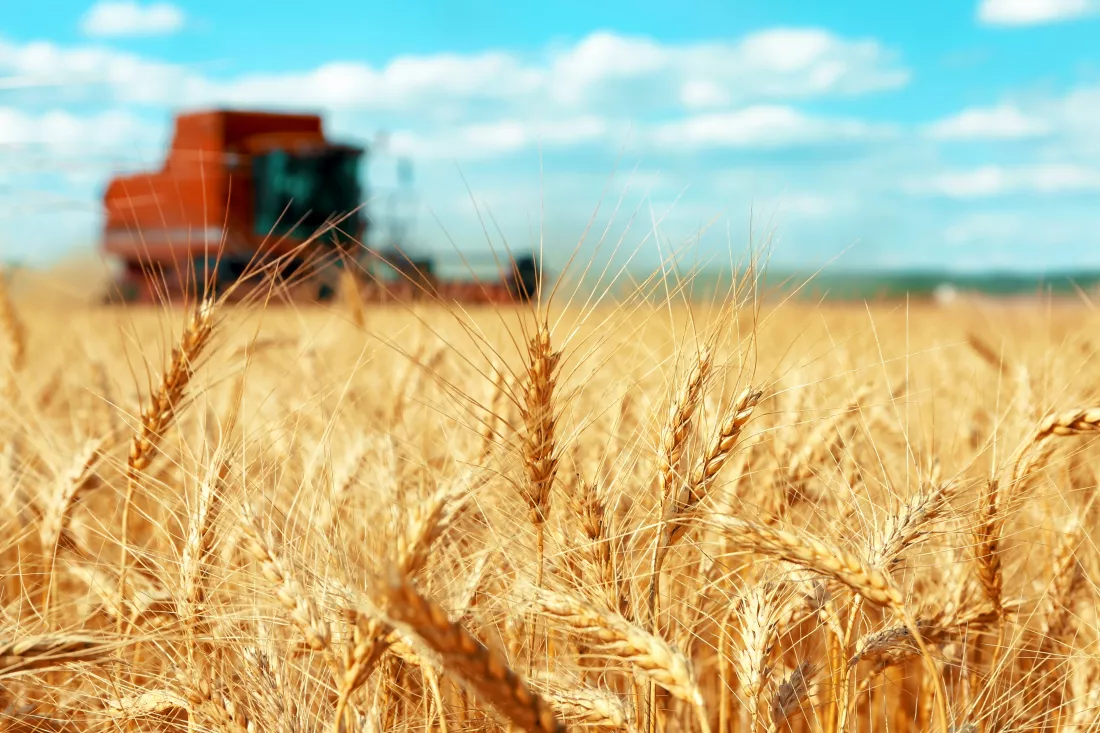
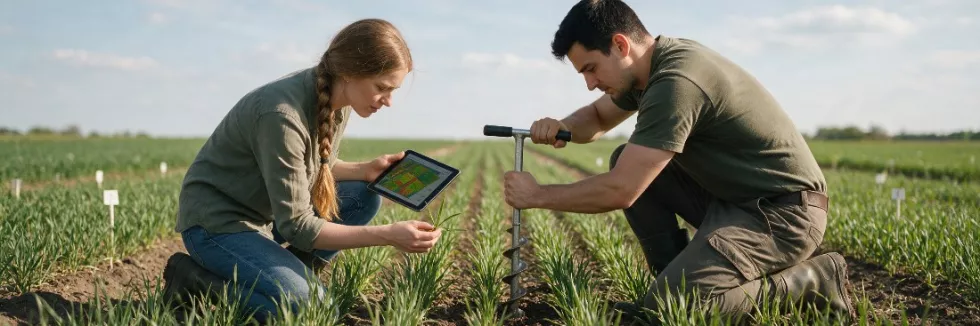
Agronomy (Ancient Greek ἀγρός agrós 'field' + νόμος nómos 'law') is the science and technology of producing and using plants for food, fuel, fiber, and land reclamation. Agronomy has come to encompass work in the areas of plant genetics, plant physiology, meteorology, and soil science. It is the application of a combination of sciences like biology, chemistry, economics, ecology, earth science, and genetics. Agronomists of today are involved with many issues, including producing food, creating healthier food, managing the environmental impact of agriculture, and extracting energy from plants. Agronomists often specialise in areas such as crop rotation, irrigation and drainage, plant breeding, plant physiology, soil classification, soil fertility, weed control, and insect and pest control.
Agronomy
The study of the soil is known as "Agronomy," but, from the foregoing remarks, it will be seen that agronomy is not in itself a science, but expresses the bearing of several recognised branches of science upon the study of soils.
John Wrightson (1887) Agricultural text-book: : embracing soils, manures, rotations of crops and live stock, adapted to the requirements of the syllabus of the Science and Art Department, South Kensington. p. 9.
Agronomy
The fundamental core of contemporary Darwinism, the theory of DNA-based reproduction and evolution, is now beyond dispute among scientists. It demonstrates its power every day, contributing crucially to the explanation of planet-sized facts of geology and meteorology, through middle-sized facts of ecology and agronomy, down to the latest microscopic facts of genetic engineering.
Daniel Dennett Darwin's Dangerous Idea (1995).




 EN

 CS
 DE
 ES
 FR
 HU
 IT
 PL
 PT
 РУ
 SK
 TR
 УК
 AR
 中文