Animal
Animals are multicellular eukaryotic organisms that form the biological kingdom Animalia. With few exceptions, animals consume organic material, breathe oxygen, are able to move, reproduce sexually, and grow from a hollow sphere of cells, the blastula, during embryonic development. Over 1.5 million living animal species have been described—of which around 1 million are insects—but it has been estimated there are over 7 million animal species in total. Animals range in length from 8.5 millionths of a metre to 33.6 metres (110 ft) and have complex interactions with each other and their environments, forming intricate food webs. The study of animals is called zoology.
Animal Science
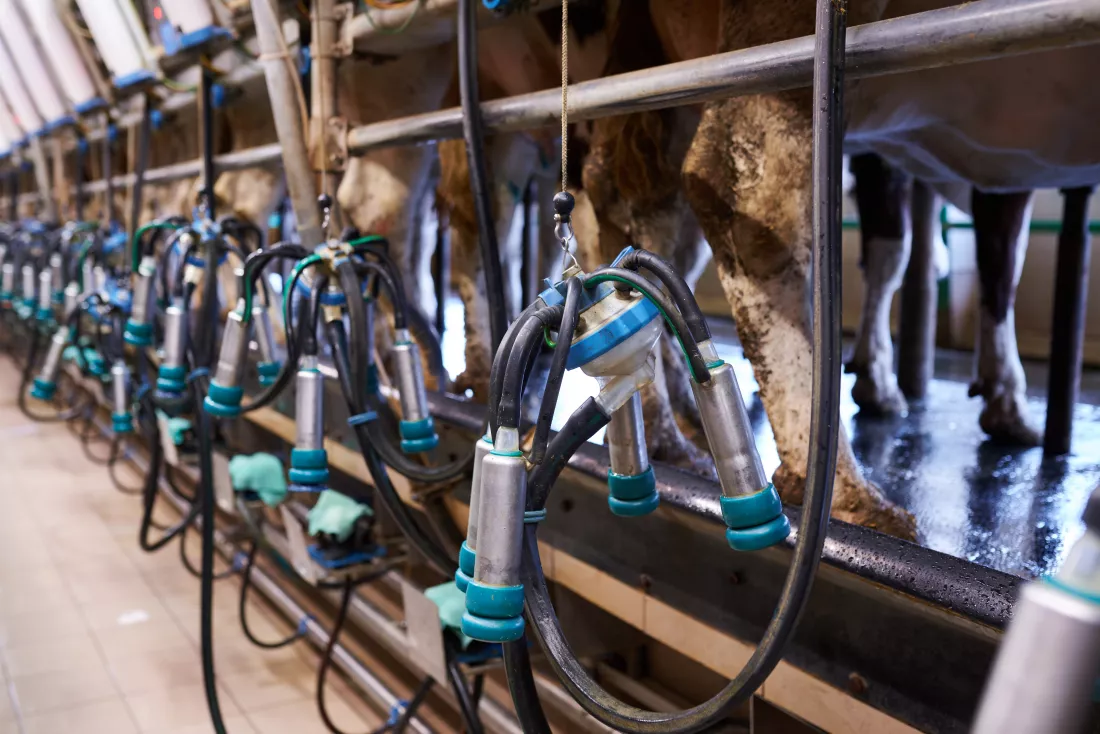
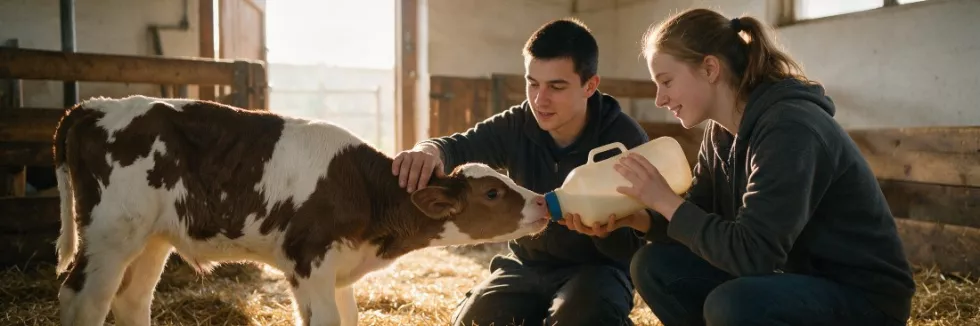
Animal Science (also Animal Bioscience) is described as "studying the biology of animals that are under the control of humankind." It can also be described as the production and management of farm animals. Historically, the degree was called animal husbandry and the animals studied were livestock species, like cattle, sheep, pigs, poultry, and horses. Today, courses available now look at a far broader area to include companion animals like dogs and cats, and many exotic species. Degrees in Animal Science are offered at a number of colleges and universities. Typically, the Animal Science curriculum not only provides a strong science background, but also hands-on experience working with animals on campus-based farms.
Science
Science (from Latin scientia, meaning "knowledge") is a systematic enterprise that builds and organizes knowledge in the form of testable explanations and predictions about the universe.
Production
Production for sale in a market in which the object is to realize the maximum profit is the essential feature of a capitalist world-economy. In such a system production is constantly expanded as long as further production is profitable, and men constantly innovate new ways of producing things that will expand the profit margin.
Immanuel Wallerstein (1979) The Capitalist World-Economy. p. 15.
Production
But if capitalism had built up science as a productive force, the very character of the new mode of production was serving to make capitalism itself unnecessary.
John Desmond Bernal (1959) Marx and Science. p. 39.
Science
We’ve arranged a global civilization in which most critical elements profoundly depend on science and technology. We have also arranged things so that almost no one understands science and technology. This is a prescription for disaster. We might get away with it for a while, but sooner or later this combustible mixture of ignorance and power is going to blow up in our faces.
Sir Ernest Rutherford from The Demon-Haunted World: Science as a Candle in the Dark (1996), 26.




 EN
EN 
 CS
CS DE
DE ES
ES FR
FR HU
HU IT
IT PL
PL PT
PT РУ
РУ SK
SK TR
TR УК
УК AR
AR 中文
中文