Why It's Worth It:
⇑Comprehensive expertise in food production
The Food Technology and Human Nutrition program at the University of Agriculture in Krakow (Uniwersytet Rolniczy im. Hugona Kołłątaja w Krakowie) provides students with a solid foundation in the technical, technological, and economic sciences. This field of study is dedicated to those who want to master the complexities of processing, preserving, and storing food products. By integrating theoretical knowledge with practical applications, URK ensures that its graduates are fully prepared to meet the rigorous demands of the modern food industry and contribute to the development of safe, high-quality nutrition.
⇑Focus on food safety and quality control
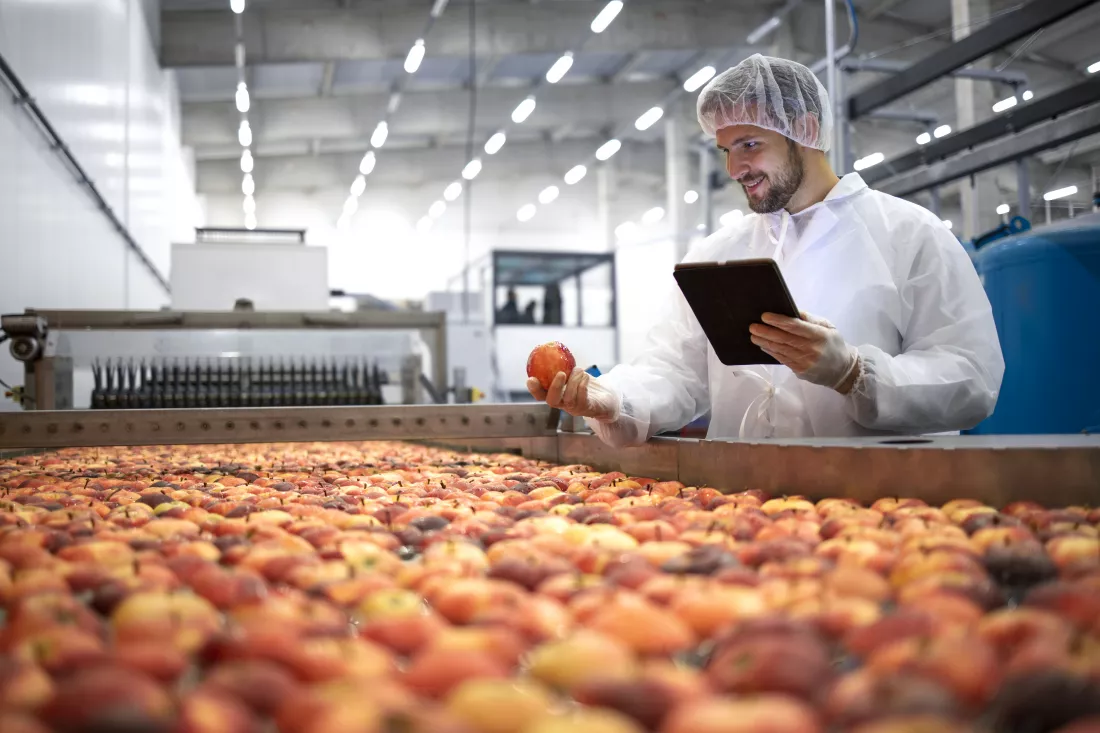
A key priority of this program is educating specialists who are experts in food quality management. Students learn to identify and mitigate chemical, biological, and physical hazards that can occur during various stages of production and distribution. The curriculum covers the implementation of innovative techniques and international standards, ensuring that future engineers can maintain the highest safety levels in the food chain. This focus on quality control makes graduates highly sought after by regulatory bodies and manufacturing plants alike.
⇑Practical learning in advanced laboratories
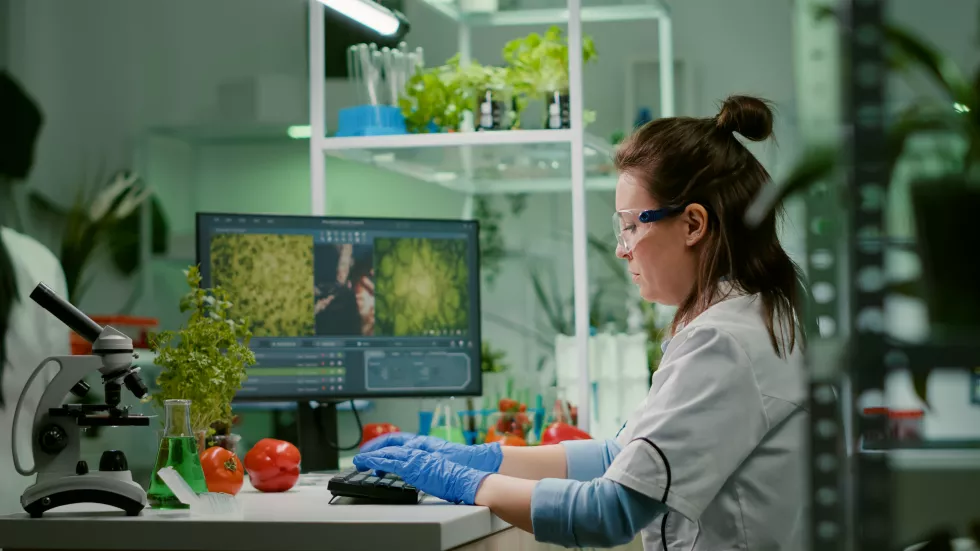
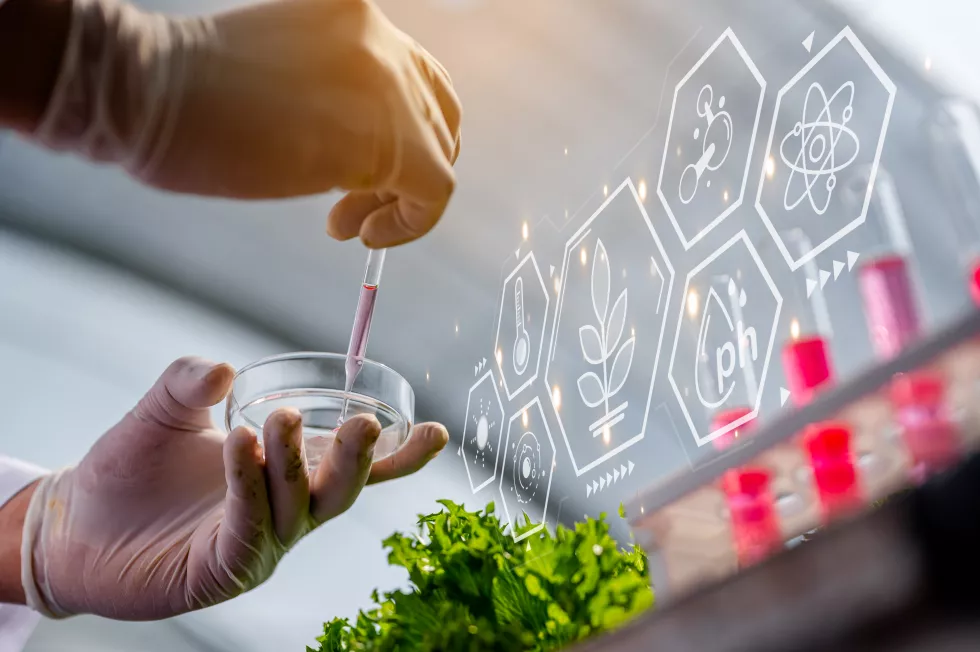
One of the major advantages of studying at this faculty is the emphasis on hands-on experience. A significant portion of the coursework is conducted in modern laboratories where students perform individual and group experiments. This practical approach allows participants to master the analysis of bioactive compounds, chemical compositions, and nutritional values. By working with professional equipment, students bridge the gap between academic theory and the practical realities of industrial food production and laboratory research.
⇑Innovative technologies and global trends
The University keeps pace with the rapidly evolving global market by introducing students to the latest advancements in food engineering. The program explores new trends in processing, such as modern techniques in dairy, meat, fruit, and vegetable transformation. Additionally, students are encouraged to think creatively through modules like design thinking, which helps them develop new food products and packaging solutions. This forward-thinking education ensures that graduates can adapt to changing consumer preferences and technological breakthroughs.
⇑Competencies in management and marketing
Beyond technology, the program places a strong emphasis on the organizational and economic aspects of the industry. Students learn how to plan production processes, select appropriate machinery, and conduct economic analyses to ensure business viability. The curriculum also includes essential knowledge of the food market and product marketing, enabling graduates to successfully introduce and manage products in competitive commercial environments. This combination of engineering and business skills creates versatile professionals ready for leadership roles.
⇑International career prospects in English
As the program is conducted in English, it offers a truly international educational environment. This format not only improves linguistic proficiency but also prepares students to work in multicultural teams and global corporations. Graduates are equipped with the terminology and cultural awareness necessary to pursue careers in food processing plants, distribution networks, and research institutions across the world. The international perspective provided by URK is a significant asset in today’s globalized economy.
⇑Contribution to public health and nutrition
The "Human Nutrition" component of the degree ensures that technological knowledge is always applied with health in mind. Students explore the impact of diet on human well-being and learn the principles of clinical nutrition and dietetics. This expertise allows them to design functional foods that address modern health challenges and promote better dietary habits. Future experts from this program play a crucial role in improving public health by ensuring that the food reaching the market is both nutritious and safe.
⇑Diverse professional development paths
Graduates of this field have access to many career opportunities in various sectors of the economy. They are qualified to take on engineering positions in food production enterprises, specialized laboratories, and catering institutions. Their skills are also highly valued in companies developing new technological solutions for the industry or organizations managing food safety. The broad spectrum of knowledge acquired at the University of Agriculture in Krakow allows for a flexible career path, from production management to research and specialized consulting.