Why It's Worth It:
⇑International education at the University of Agriculture in Krakow
Field of study Food Processing, Safety and Quality at the University of Agriculture in Krakow, conducted by the Faculty of Food Technology, offers an English-language educational path for students aiming for a global career. The program creates a unique environment for acquiring specialized engineering knowledge under the guidance of highly qualified academic staff. URK provides students with access to modern facilities and a curriculum that responds to the current challenges of the global food industry.
⇑Comprehensive knowledge of food production
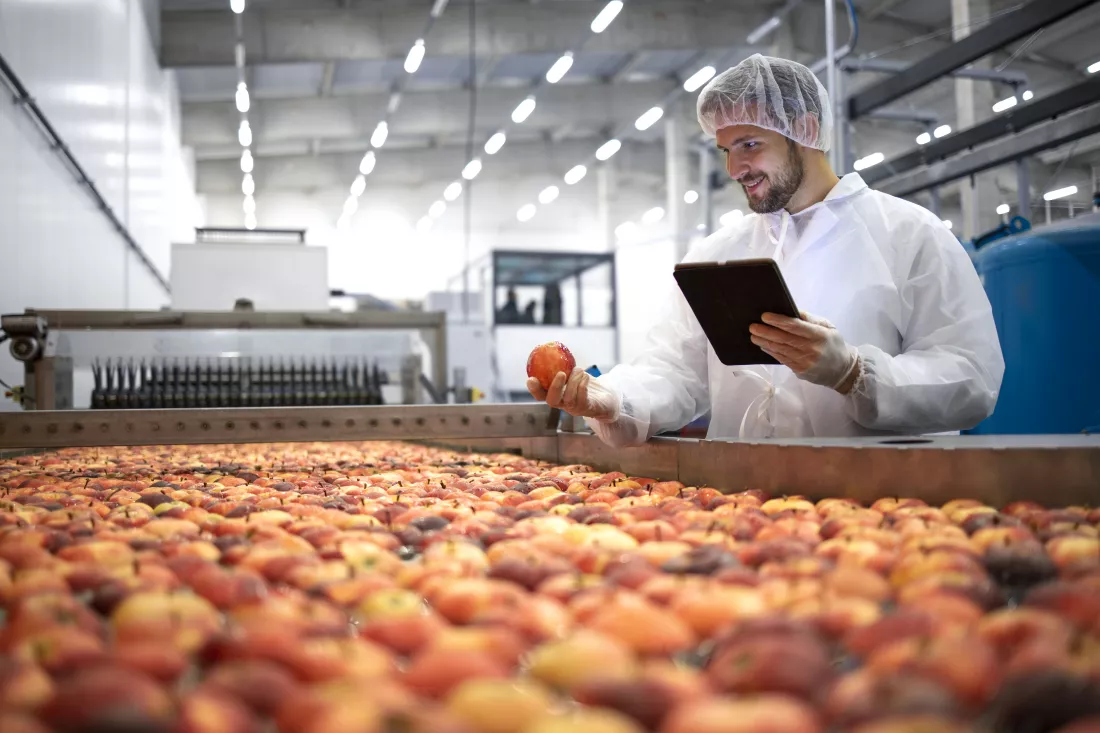
Graduates in Food Processing, Safety and Quality gain extensive knowledge regarding various processes in the food industry, quality safety, and economic sciences. The education focuses on making students specialists in food processing, preservation, and storage. This comprehensive approach ensures that participants understand the entire journey of a product from the raw material stage to the final distribution to the consumer.
⇑Practical engineering skills
The program is designed to prepare students for engineering positions in diverse enterprises and institutions. Participants are skilled to organize and control production processes, which includes the appropriate selection of machinery and equipment. Furthermore, the studies enable students to perform complex economic analyses, which are crucial for the efficient management of production lines in the modern market.
⇑Food safety and quality management
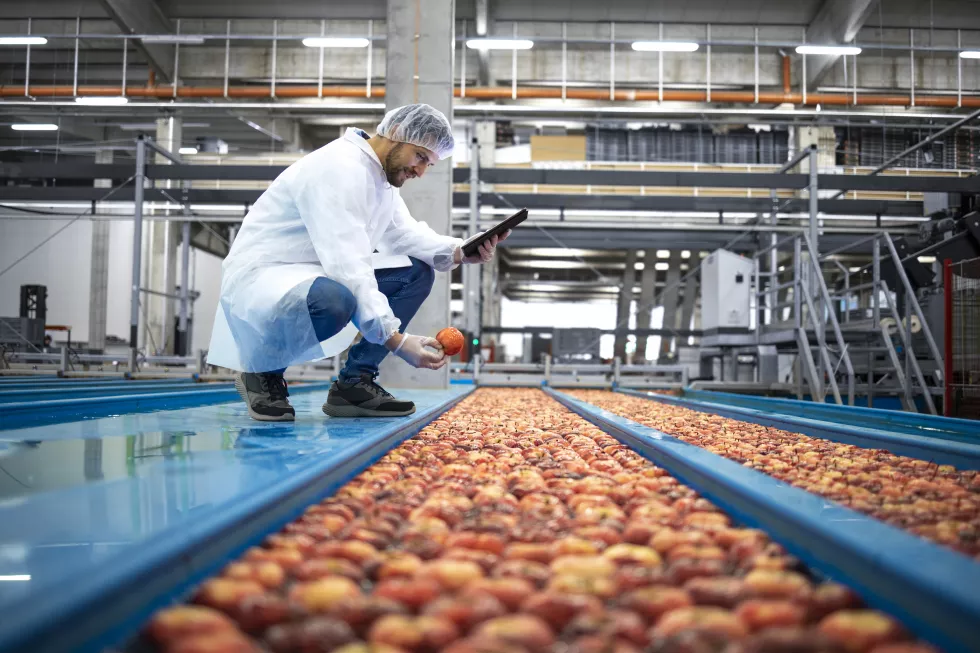
A significant part of the curriculum is dedicated to food quality control and the implementation of safety management systems. Students learn how to supervise and improve processes within an enterprise to meet rigorous international standards. The program covers the authenticity and adulteration of food, as well as food law and regulations, providing a solid legal and technical foundation for future quality managers.
⇑Advanced analytical techniques
The educational process emphasizes the use of modern technology in food quality assessment. Students gain practical skills in sensory analysis and modern instrumental analysis methods. The ability to use computer technology in safety management is a key competence that allows graduates to work effectively in laboratories, certification units, and control-measurement institutions.
⇑Interdisciplinary course selection
The curriculum offers a wide range of mandatory and optional courses, covering everything from chemistry and microbiology to specialized technologies such as meat, dairy, or fruit and vegetable processing. Students can also explore modern topics like food toxicology, allergens, and the development of new food products. This variety allows for the customization of the educational path according to individual professional interests.
⇑Preparation for global career challenges
Since the program is conducted entirely in English, graduates are proficient in specialized professional language. This, combined with the knowledge of food market principles and product marketing, opens doors to international corporations and organizations. The university also instills a habit of continuous professional development, preparing students for further academic pursuits at the master's level.
⇑Modern campus and student life
Studying at this institution also means becoming part of a vibrant academic community with access to various facilities, including accommodation in student houses. The recruitment process is open to international candidates who meet the language requirements, fostering a multicultural learning environment. This atmosphere promotes the exchange of experiences and prepares students for work in international, diverse teams.