Cracow, Poland

Metallurgical Engineering

Master's
Table of contents
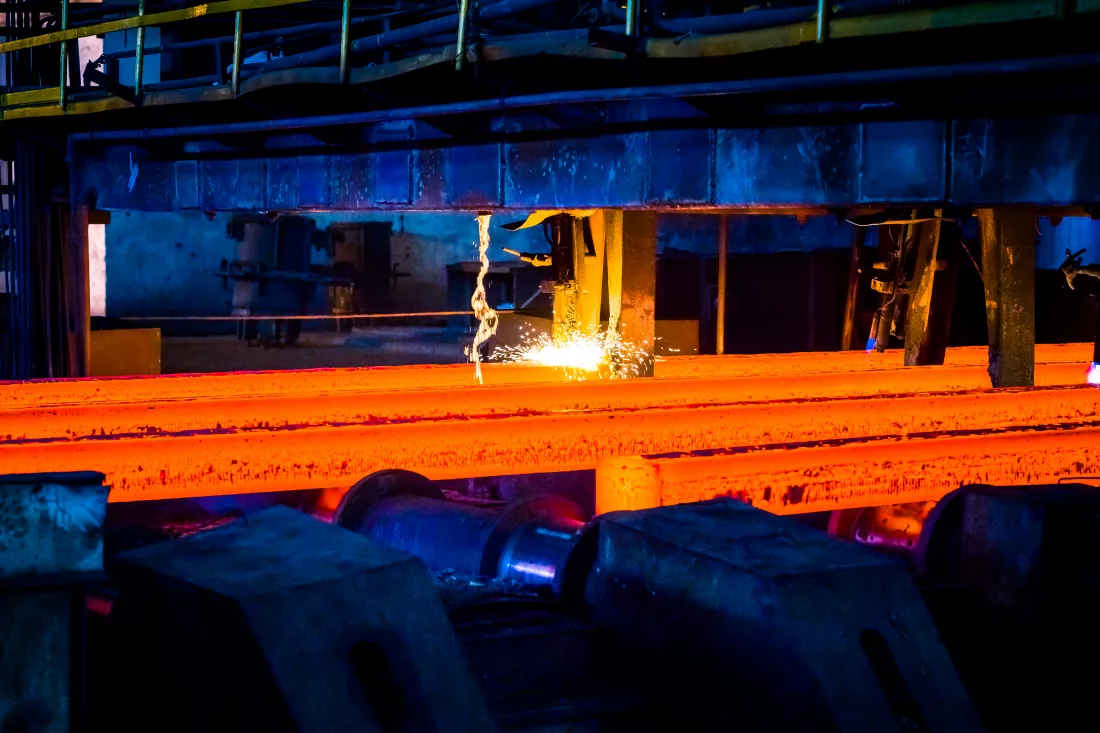
interior-view-steel-factory(1)

Metallurgical Engineering at AGH

Language: EnglishStudies in English
Subject area: engineering and engineering trades
Kind of studies: full-time studies
  • Description:

  • pl

Test: check whether Metallurgical Engineering is the right major for you!

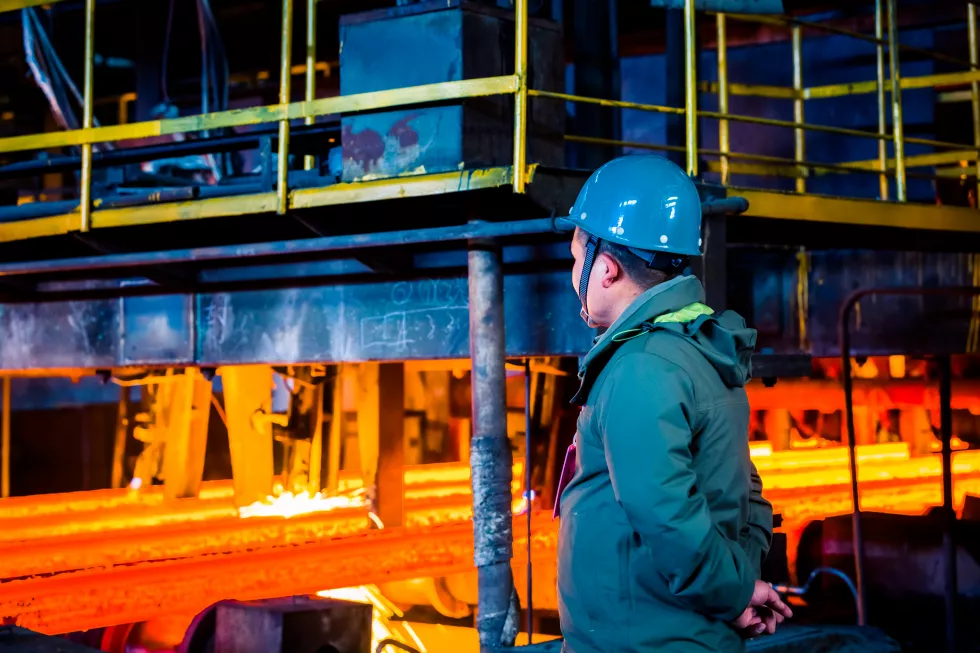
interior-view-steel-factory

Answer all questions to see if Metallurgical Engineering (Master's) is the right fit for you!

1. Are you passionate about applying engineering principles to design, control, and improve metal production and processing?

2. Do you want to develop expertise in alloy design, thermomechanical processing, and phase transformation control?

3. Are you interested in using advanced characterization and modeling to predict and control metal microstructure and properties?

4. Are you willing to integrate sustainability into metallurgical engineering, such as recycling, energy efficiency, and emissions reduction?

5. Do you believe a two-year master’s degree will significantly improve your ability to lead or innovate in metallurgical projects?

6. Are you interested in process control, quality assurance, and failure analysis for metallic systems?

7. Do you want to develop skills in emerging metallurgical technologies like additive manufacturing of metals or high-entropy alloys?

8. Are you prepared to collaborate with mechanical engineers, materials scientists, and industrial stakeholders to apply metallurgical solutions?

9. Are you interested in scaling lab-scale metallurgical innovations into robust industrial processes?

10. What motivates you most to pursue a master’s in Metallurgical Engineering?

Definitions and quotes

Engineering
Engineering is the creative application of science, mathematical methods, and empirical evidence to the innovation, design, construction, operation and maintenance of structures, machines, materials, devices, systems, processes, and organizations. The discipline of engineering encompasses a broad range of more specialized fields of engineering, each with a more specific emphasis on particular areas of applied mathematics, applied science, and types of application. See glossary of engineering.
Engineering
A key characteristic of the engineering culture is that the individual engineer’s commitment is to technical challenge rather than to a given company. There is no intrinsic loyalty to an employer as such. An employer is good only for providing the sandbox in which to play. If there is no challenge or if resources fail to be provided, the engineer will seek employment elsewhere. In the engineering culture, people, organization, and bureaucracy are constraints to be overcome. In the ideal organization everything is automated so that people cannot screw it up. There is a joke that says it all. A plant is being managed by one man and one dog. It is the job of the man to feed the dog, and it is the job of the dog to keep the man from touching the equipment. Or, as two Boeing engineers were overheard to say during a landing at Seattle, “What a waste it is to have those people in the cockpit when the plane could land itself perfectly well.” Just as there is no loyalty to an employer, there is no loyalty to the customer. As we will see later, if trade-offs had to be made between building the next generation of “fun” computers and meeting the needs of “dumb” customers who wanted turnkey products, the engineers at DEC always opted for technological advancement and paid attention only to those customers who provided a technical challenge.
Edgar H. Schein (2010). Dec Is Dead, Long Live Dec: The Lasting Legacy of Digital Equiment Corporation. p. 60
Engineering
Engineering is the art of directing the great sources of power in nature for the use and convenience of man.
Thomas Tredgold (1828), used in the Royal Charter of the Institution of Civil Engineers (ICE) published in: The Times, London, article CS102127326, 30 June 1828.
Engineering
When I looked at the science of engineering and saw that it had disappeared after its ancient heritage, that its masters have perished, and that their memories are now forgotten, I worked my wits and thoughts in secrecy about philosophical shapes and figures, which could move the mind, with effort, from nothingness to being and from idleness to motion. And I arranged these shapes one by one in drawings and explained them
Al-Muradi, The Book of Secrets in the Results of Ideas, 11th century; Translated and cited at leonardo3.net/bookofsecrets/index, 2015


Contact:

30 Mickiewicza Av.
30-059 Krakow
Centre for International Students

Regular studies
P: +48 12 617 50 92
P: +48 12 617 46 15
F: +48 12 617 52 39
E: international.students@agh.edu.pl

Exchange programmes
P: +48 12 617 52 37
P: +48 12 617 52 38
F: +48 12 617 52 39
E: exchange@agh.edu.pl
Privacy Policy