

Częstochowa, Poland

Nanotechnology
(field of studies: Physics)

Bachelor's
Table of contents
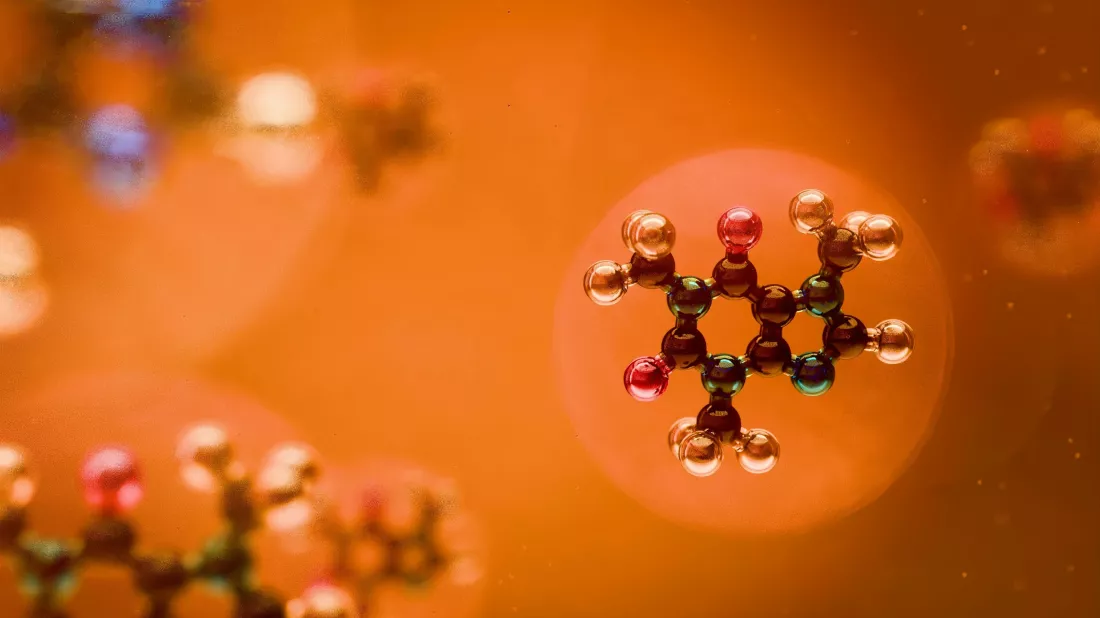
omar-lopez-rincon-XkPNEqAhlaI-unsplash

⇑Nanotechnology at UJD

Field of studies: Physics
Language: EnglishStudies in English
Subject area: engineering and engineering trades
Kind of studies: full-time studies
  • Description:

  • pl
University website: www.en.ujd.edu.pl

⇑Why choose the Nanotechnology specialisation at UJD?

Dlaczego warto studiować na UJD
Why study it:

Nanotechnology is a specialisation in the Physics programme (first-cycle studies, taught in English) at Jan Długosz University in Częstochowa. It suits anyone who wants to work with materials on the nanometre scale and see how they are used in industry.

Programme: solid-state physics meets nanoscale materials

Specialisation classes begin in the third semester. They build on solid-state physics and look at modern nanoscale materials with industrial applications, including their structural, electronic, optical and magnetic properties. The main threads are the physical foundations of nanotechnology, nanostructure technology and computational nanotechnology.

Specialisation: what you study on this path

The specialisation courses lead from the basics to applications:

  • introduction to nanotechnology – the classification of nanomaterials from zero- to three-dimensional, quantum size effects, carbon nanotubes and quantum dots, and the toxicity of nanomaterials
  • synthesis and characterisation of nanomaterials – milling, vapour deposition, sol-gel, precipitation from solutions, chemical reduction and hydrothermal methods, and how process parameters affect particle shape and size
  • microscopy techniques and an introduction to photonics, from lasers and optical fibres to the idea of a quantum computer
  • amorphous materials and the physics of soft matter
  • nanotechnology in medicine, food production and environmental protection, including targeted drug delivery and early cancer diagnostics

Labs: laboratory classes

Alongside lectures and seminars, you work in the laboratory, where you get to know methods of fabricating nanostructures and examining their structure, including quantum dots and metallic nanoparticles and observation with electron and light microscopes.

After graduation: careers in research and industry

Graduates can find work in Poland and abroad in:

  • specialised industrial and research laboratories
  • start-up companies implementing innovative technologies
  • science and technology parks
  • advanced technology centres

Based on the study plan and the UJD admissions page.

Updated: 11.11.2026

⇑Test: Is Nanotechnology the right fit for you?

students-examining-a-carbon-nanotube-model-in-a-lab

10 questions · two minutes

1. In chemistry you learn that gold nanoparticles can look red. What do you make of that?

2. How do you get on with physics, chemistry and maths?

3. An experiment in class gives a different result from the one you predicted. What do you do?

4. You try to picture a structure thousands of times thinner than a human hair. How does that feel?

5. You read about wound dressings with silver nanoparticles and self-cleaning surfaces. What comes to mind?

6. You’ll study in an international environment, in English: lectures, research papers and lab reports, working in research teams with students from many countries. How does that sound?

7. Lab work takes precision – for example, measuring out tiny amounts of reagents. How does that suit you?

8. Have you ever taken part in a science olympiad, a science club or a research project of your own?

9. What kind of work can you see yourself doing in future?

10. What motivates you most to study Nanotechnology?

⇑Definitions and quotes

Nanotechnology
Nanotechnology ("nanotech") is manipulation of matter on an atomic, molecular, and supramolecular scale. The earliest, widespread description of nanotechnology referred to the particular technological goal of precisely manipulating atoms and molecules for fabrication of macroscale products, also now referred to as molecular nanotechnology. A more generalized description of nanotechnology was subsequently established by the National Nanotechnology Initiative, which defines nanotechnology as the manipulation of matter with at least one dimension sized from 1 to 100 nanometers. This definition reflects the fact that quantum mechanical effects are important at this quantum-realm scale, and so the definition shifted from a particular technological goal to a research category inclusive of all types of research and technologies that deal with the special properties of matter which occur below the given size threshold. It is therefore common to see the plural form "nanotechnologies" as well as "nanoscale technologies" to refer to the broad range of research and applications whose common trait is size. Because of the variety of potential applications (including industrial and military), governments have invested billions of dollars in nanotechnology research. Through 2012, the USA has invested $3.7 billion using its National Nanotechnology Initiative, the European Union has invested $1.2 billion, and Japan has invested $750 million.

Contact:

Waszyngtona str. 4/8
42-200 Częstochowa
phone +48 34 378 41 00
StudentNews Group Websites for students and future students — in Poland since 2007, across Europe since 2014. Over 50 websites and millions of users a year (Google Analytics). Studies in Europe Universities in Europe Bachelor’s Master’s Doctorate MBA Study guide Work abroad Travel For partners Advertising and cooperation Reach (online report) Contact advertising@studentnews.eu © 2003–2026 Grupa StudentNews.pl sp. z o.o., Modlnica, Poland
Privacy Policy